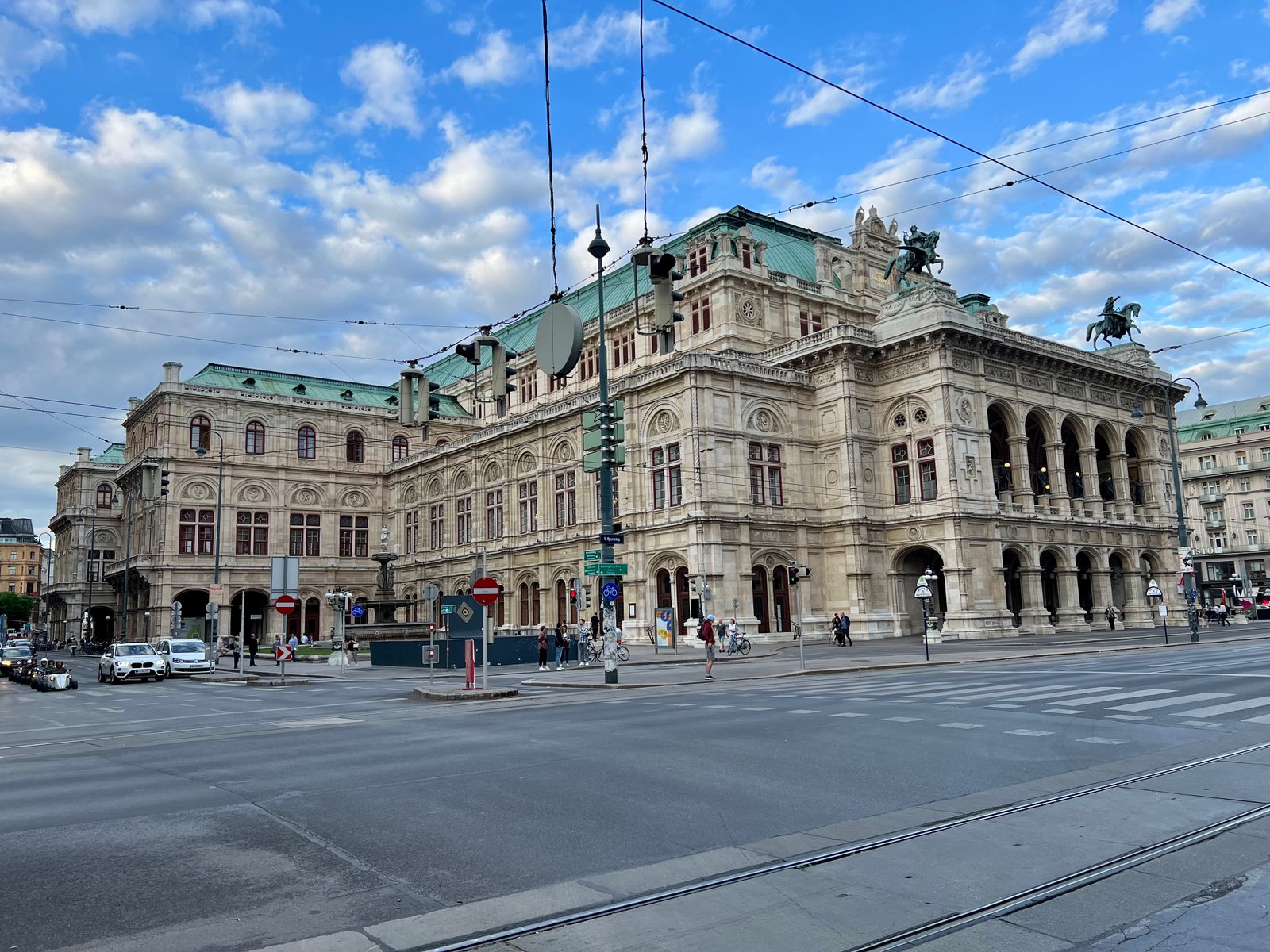
On our very first trip to Vienna in 2006, Nik and I waited in the day-of, standing-room-only line for tickets to the Vienna State Opera. I couldn’t tell you what performance we saw, but I do remember the tickets were cheap and our seats were way up high. Since the Vienna State Opera is one of my favorite buildings in the city, I wanted to see what it looked like beyond the gorgeous exterior, so we booked a guided tour while visiting the city back in February. We followed that with our first visit to the Albertina Museum, where we caught one of its limited-time exhibitions.
The Vienna State Opera
Going to the opera was a very big part of my grandma Trude’s life while she was living in Queens, New York. I even got dragged along on occasion as a little kid, and looking back, those are now some of my fondest memories of the time I spent with her. I never asked my grandmother much about her years in Vienna. She was born in 1914 and left in 1938, but I have to assume the opera was a big part of her life there, too. It continued to be a part of her life until she stopped going to Lincoln Center (in New York City) in her 80s.
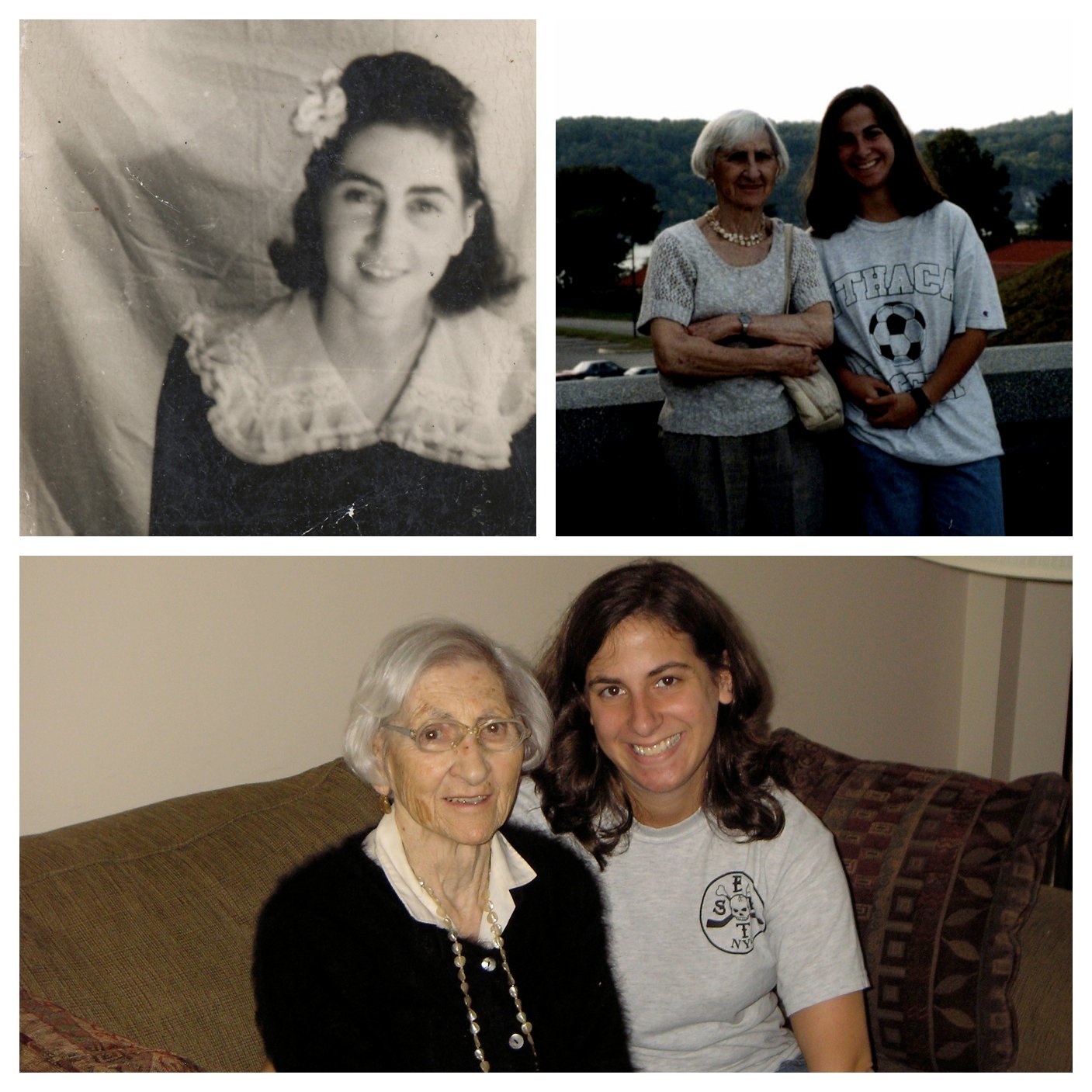
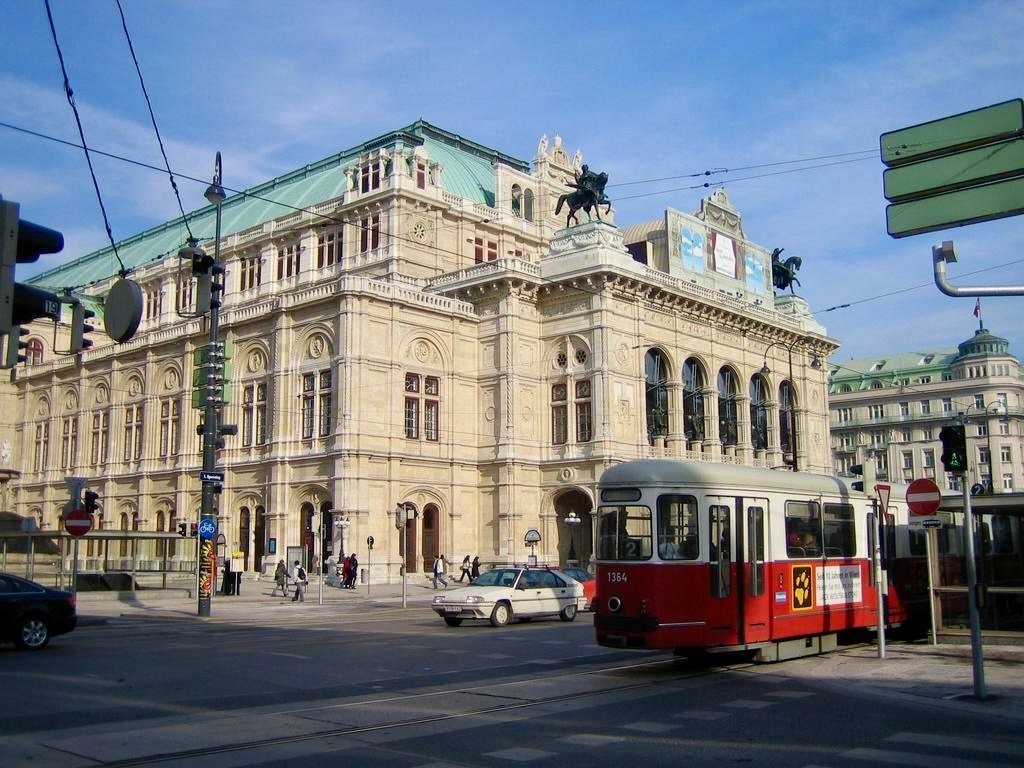
I remember telling my grandmother in 2006 that I was going to visit Vienna, and there were two things she immediately told me about: the Prater Amusement Park and the Vienna State Opera. From that very first visit, the opera house became one of my favorite buildings in the city.
Brief History
In December 1857, an imperial decree was published announcing the demolition of Vienna’s city walls and the construction of the Ringstrasse, a circular boulevard. This new boulevard was to be lined with important buildings, the first of which included a new opera house.
In July 1860, a competition was held to design the new opera house. Viennese architects August Sicard von Sicardsburg and Eduard van der Nüll were chosen out of the 35 designs submitted.
Originally planned to open in 1864, completion was delayed several times and the opera house was not opened until 1869.
The Vienna State Opera was hit by bombs during World War II destroying the stage, workshops and auditorium. Only the main facade, the grand staircase and the foyer were spared from the bombing.
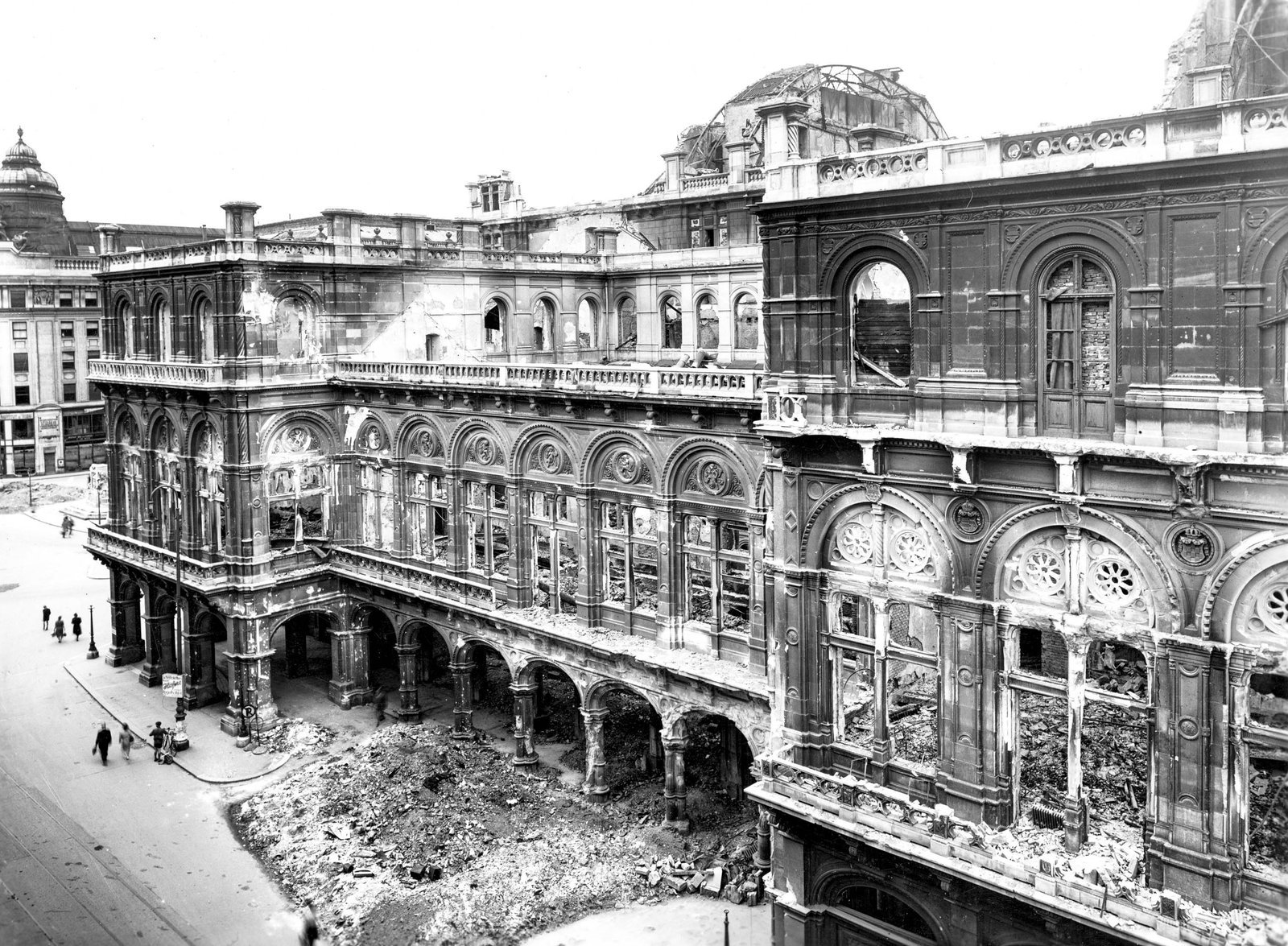
Meanwhile, the opera house was rebuilt with a mixture of historical styles from 1869 and the style of the 1950s in the interior.
Guided Tour
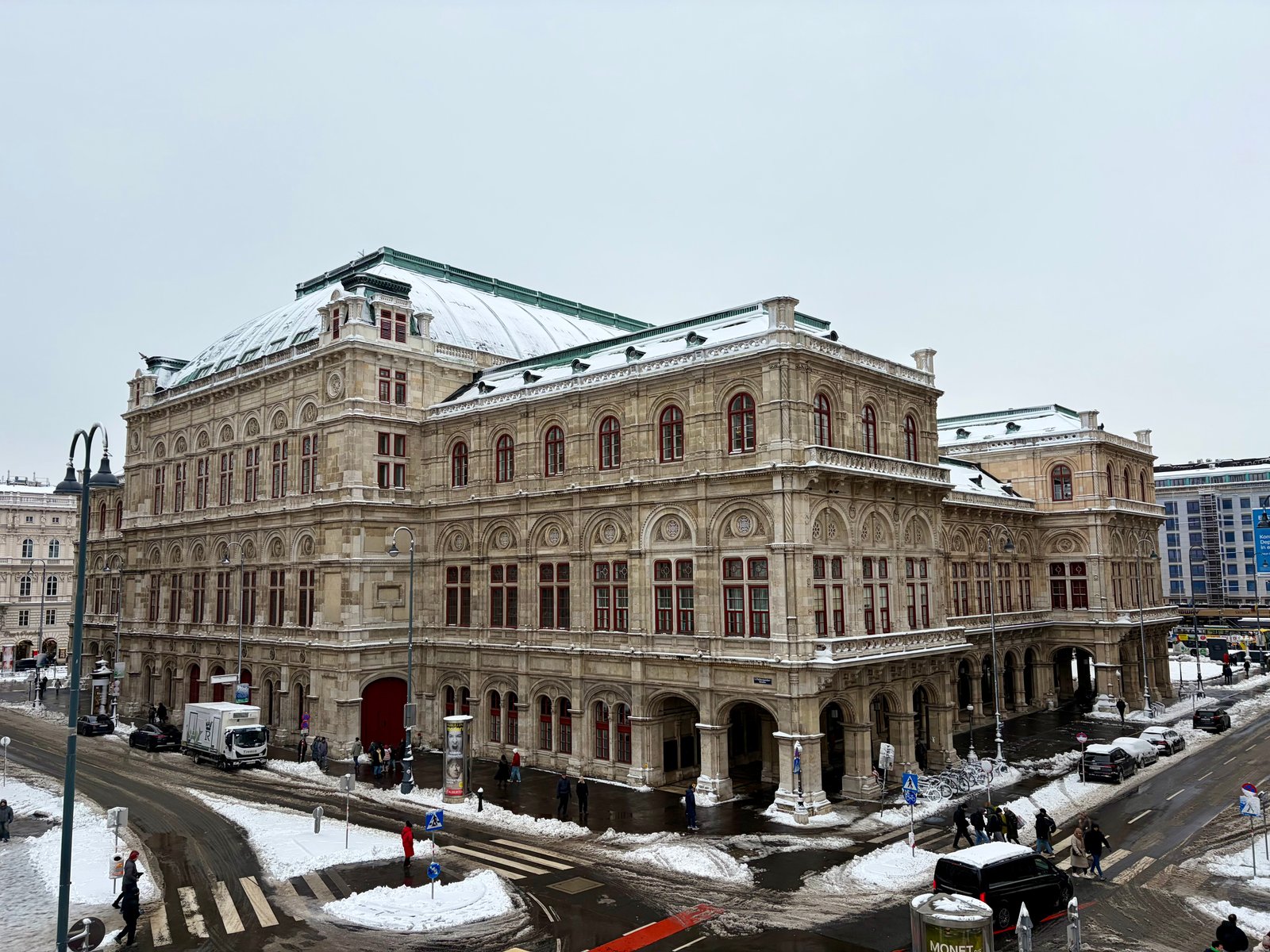
The Vienna State Opera offers a few different options for a guided tour. We bought tickets for the roughly 40 minute group tour that would be given in English and cost 18€ each. Our trip to Vienna also happened to coincide with a historic snowstorm for the city and so it was a bit gray outside the day of our tour.
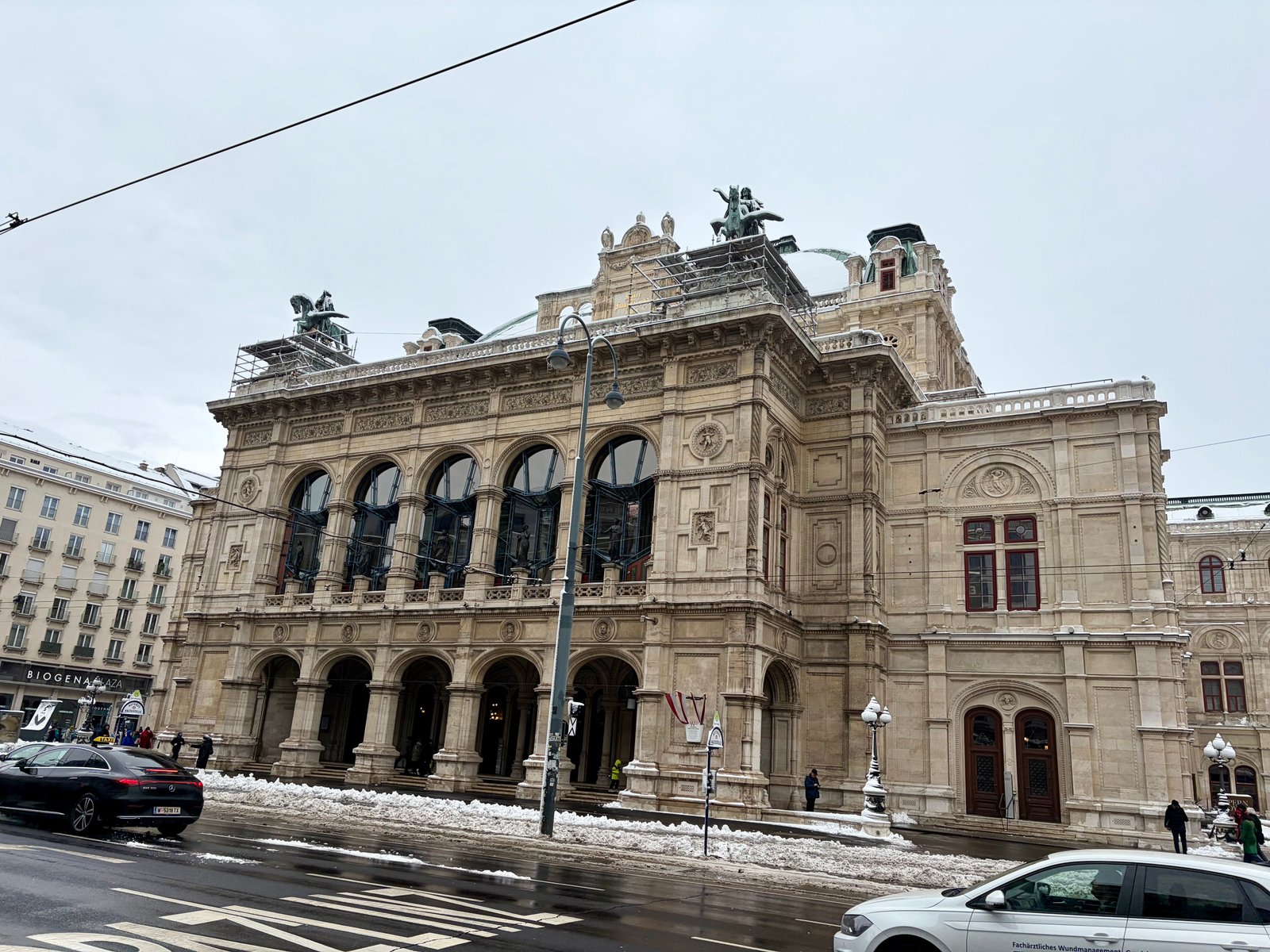
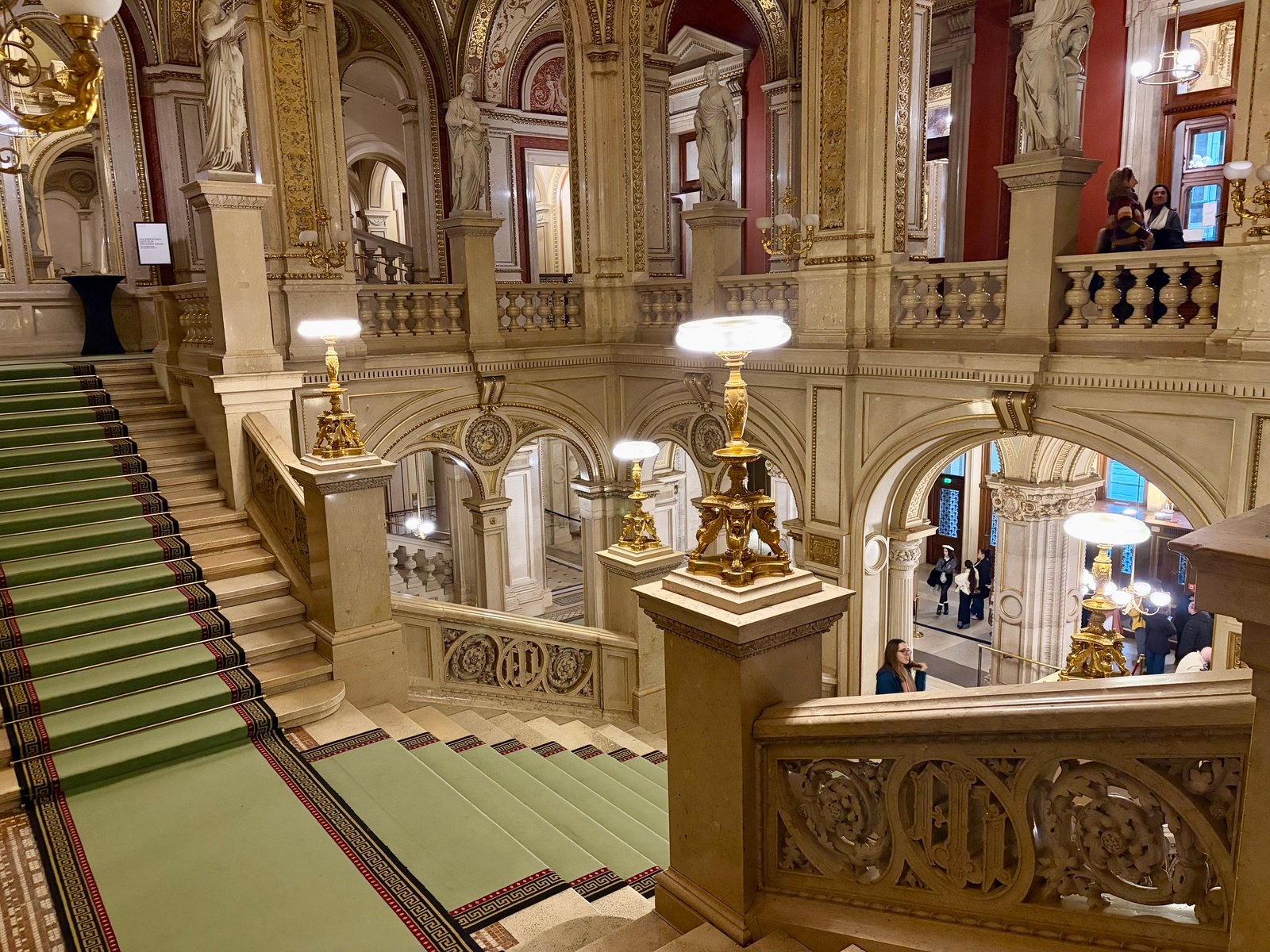
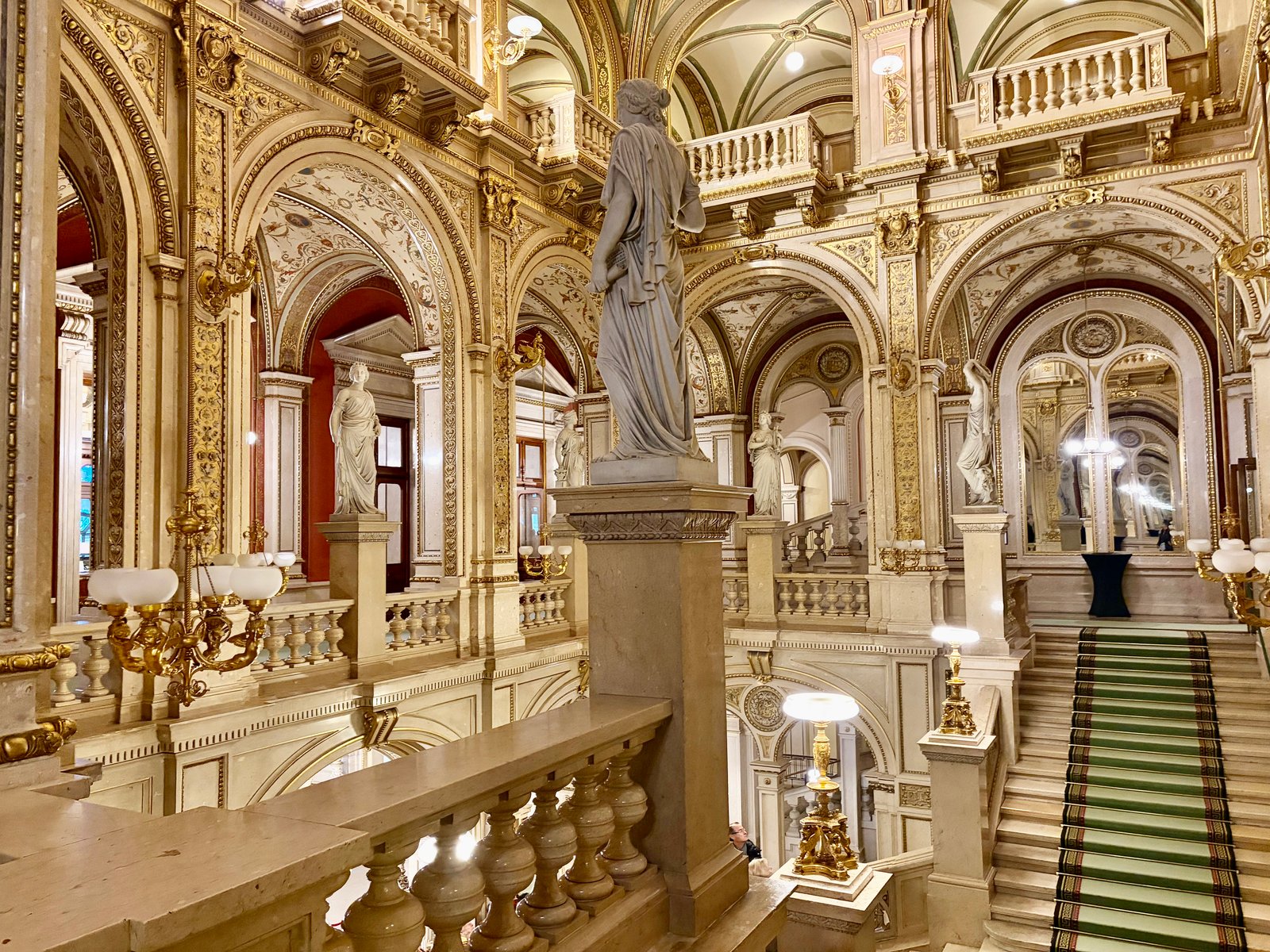
If you’re facing Opernring, i.e. from the front, we entered for the tour on the left by the box office. We presented our tickets and then walked through the hall into the gorgeous main foyer and grand staircase which has been preserved in its original form. I couldn’t get a good front facing picture of the staircase because the tour group was pretty large and we were all standing on the stairs. So here are a couple different views.
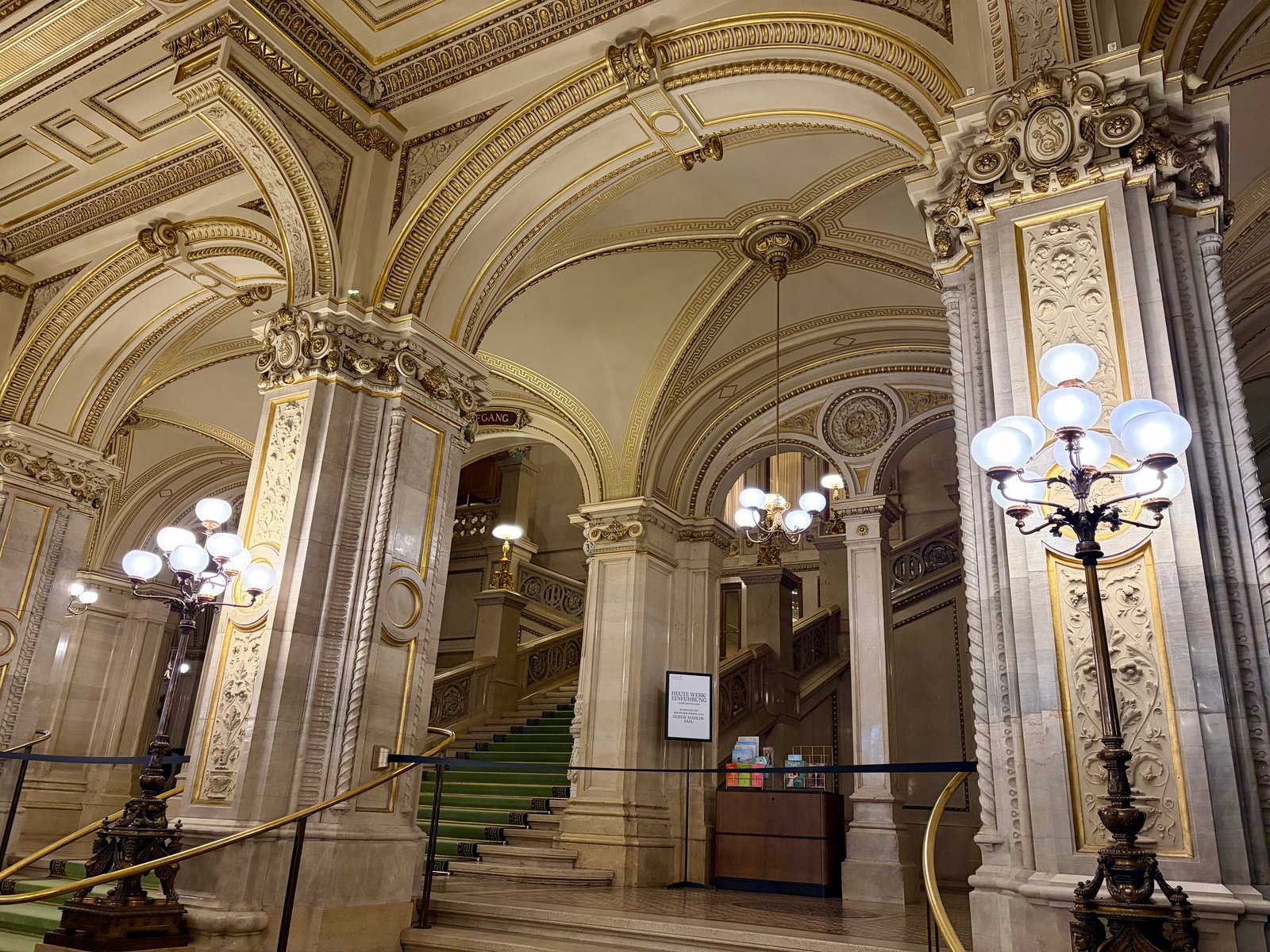
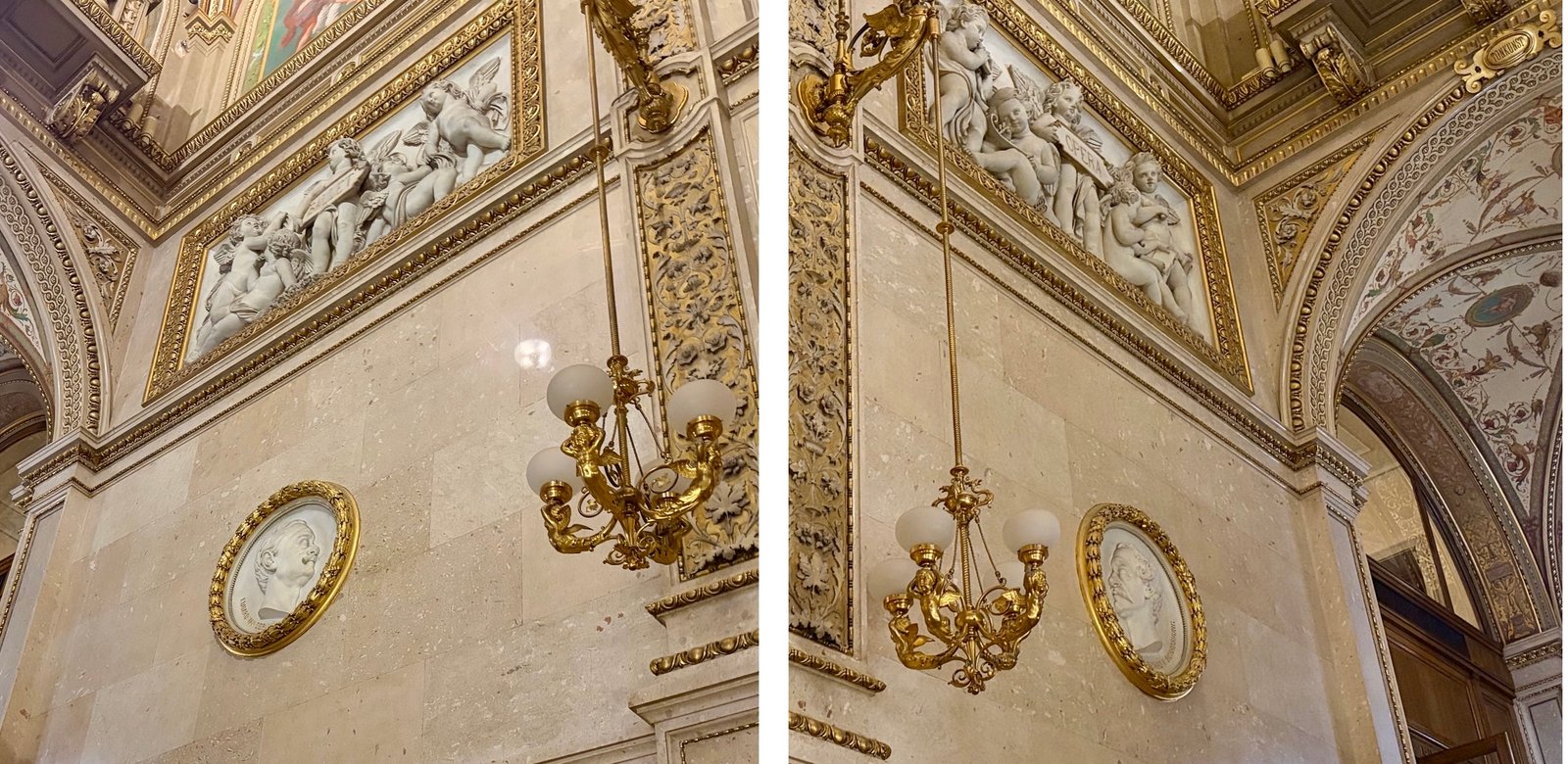
On the first landing of the grand staircase, to the side of the central entrance to audience seating, are the portraits of the two builders – August Sicard von Sicardsburg and Eduard van der Nüll. Above them are two depictions symbolizing ballet and opera.
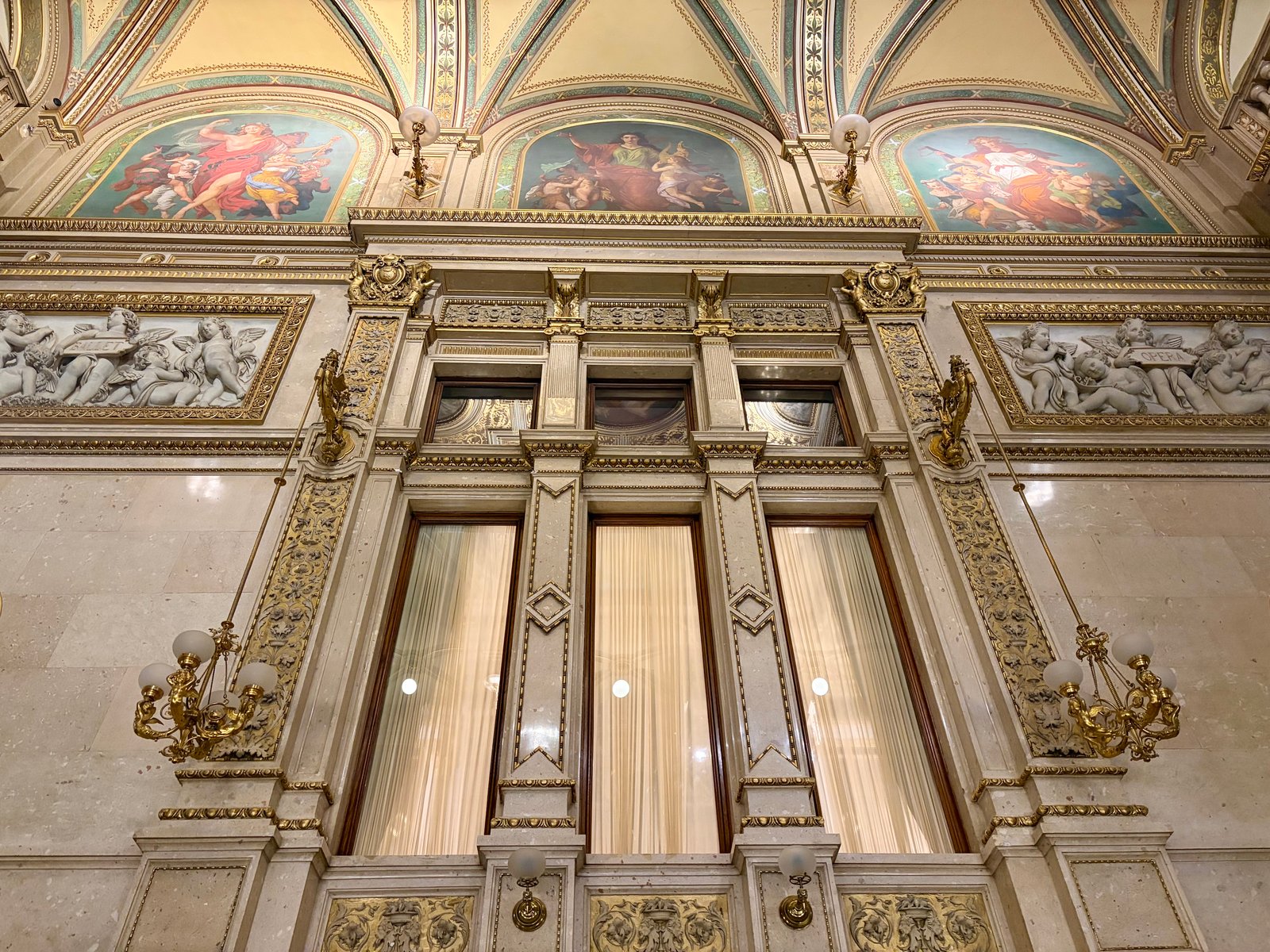
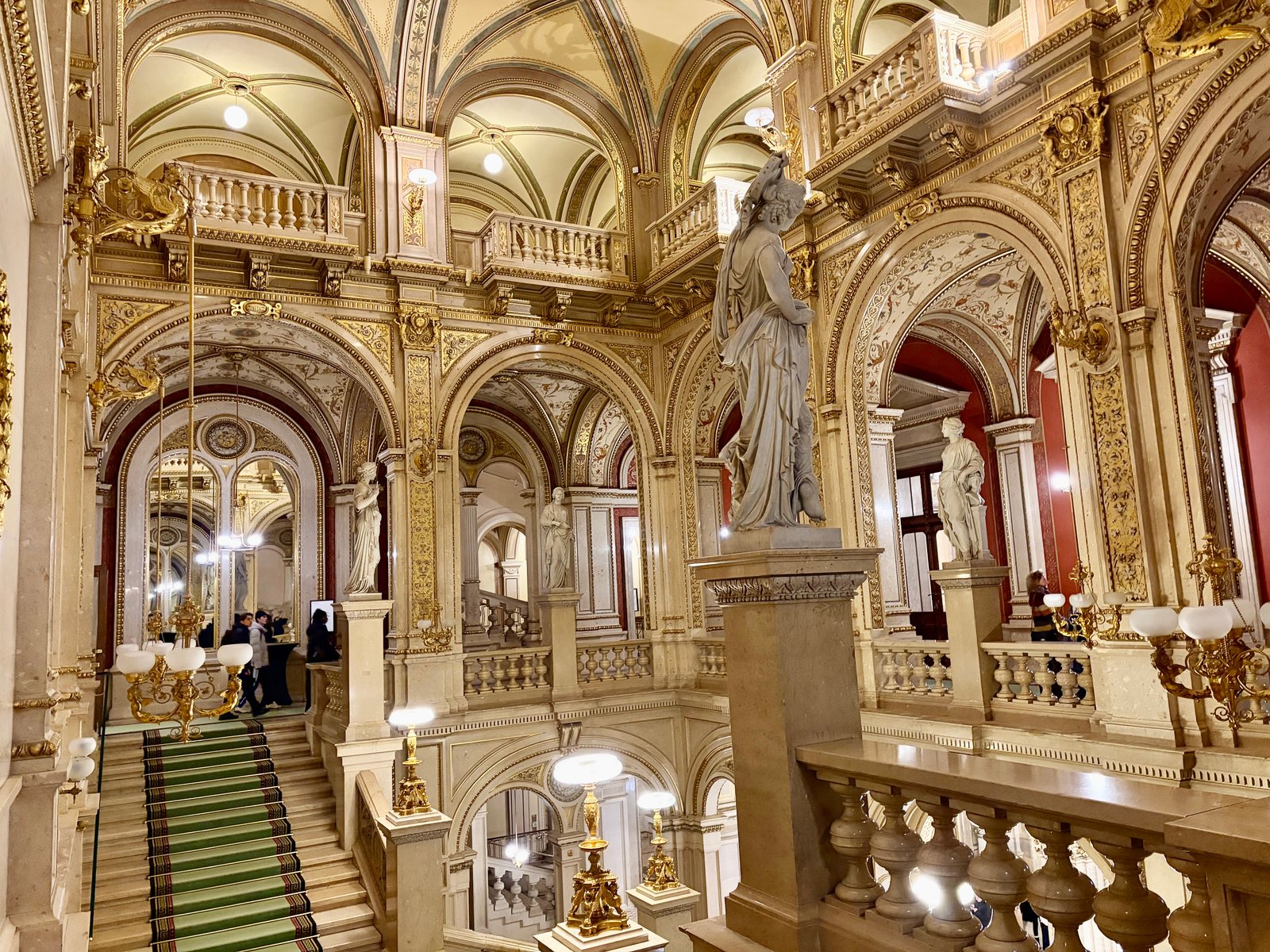
I hung towards the back of our group to be able to get pictures and admire how stunningly beautiful the whole space is. The seven statues, some of which you see in the pictures below, represent the seven liberal arts: Architecture, Sculpture, Poetry, Dance, Musical Art, Drama and Painting.
From the top of the stairs were walked down a hallway for a view into the tea salon, formerly known as the imperial salon. Once reserved exclusively for the court, the room served as a retreat and reception room for the emperor and his guests.
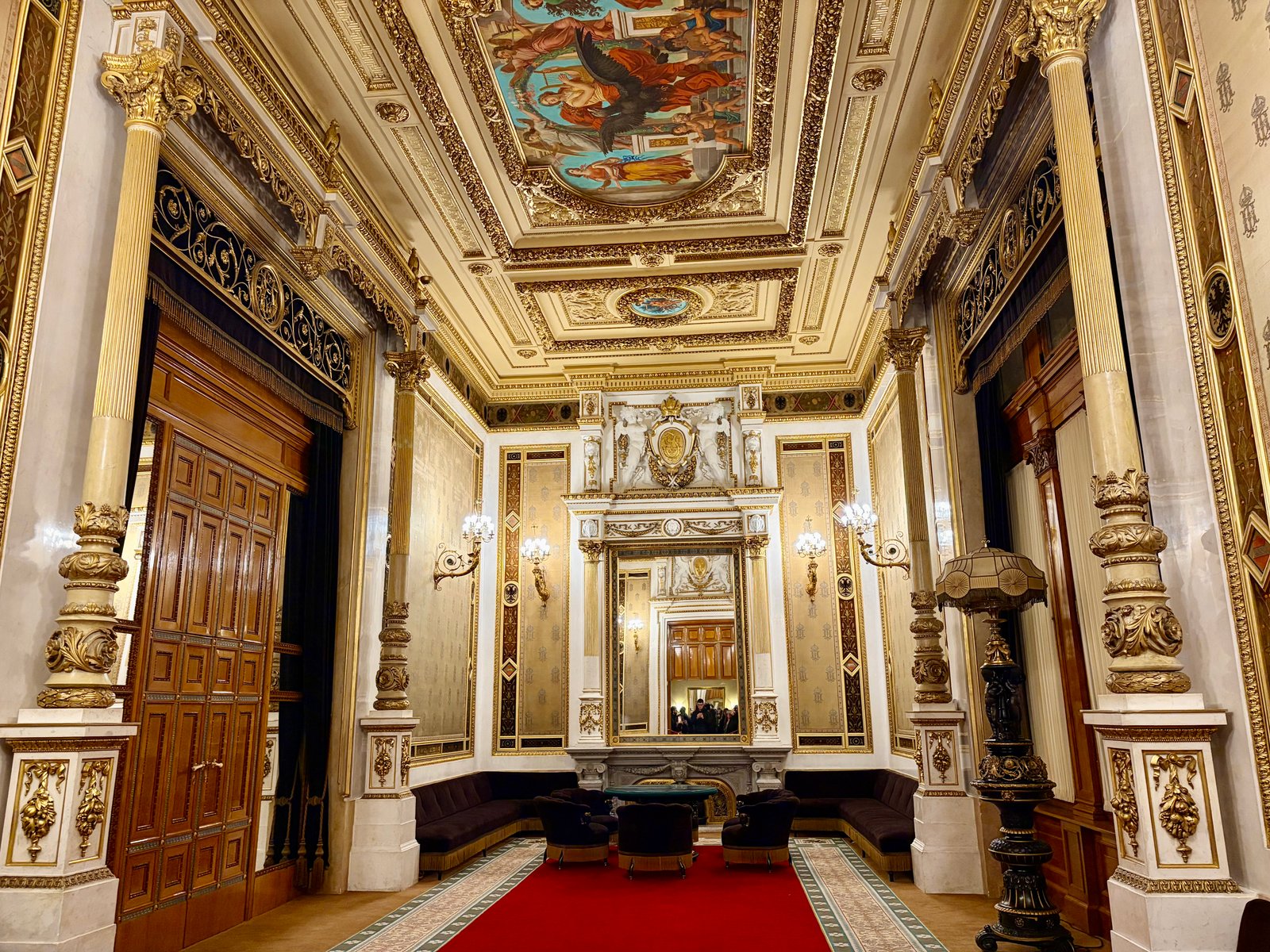
Today, the tea room is one of the best-preserved examples of decorative arts from that era. The doors on the left lead into the central box, though we couldn’t go through them, we entered from the main hallway.
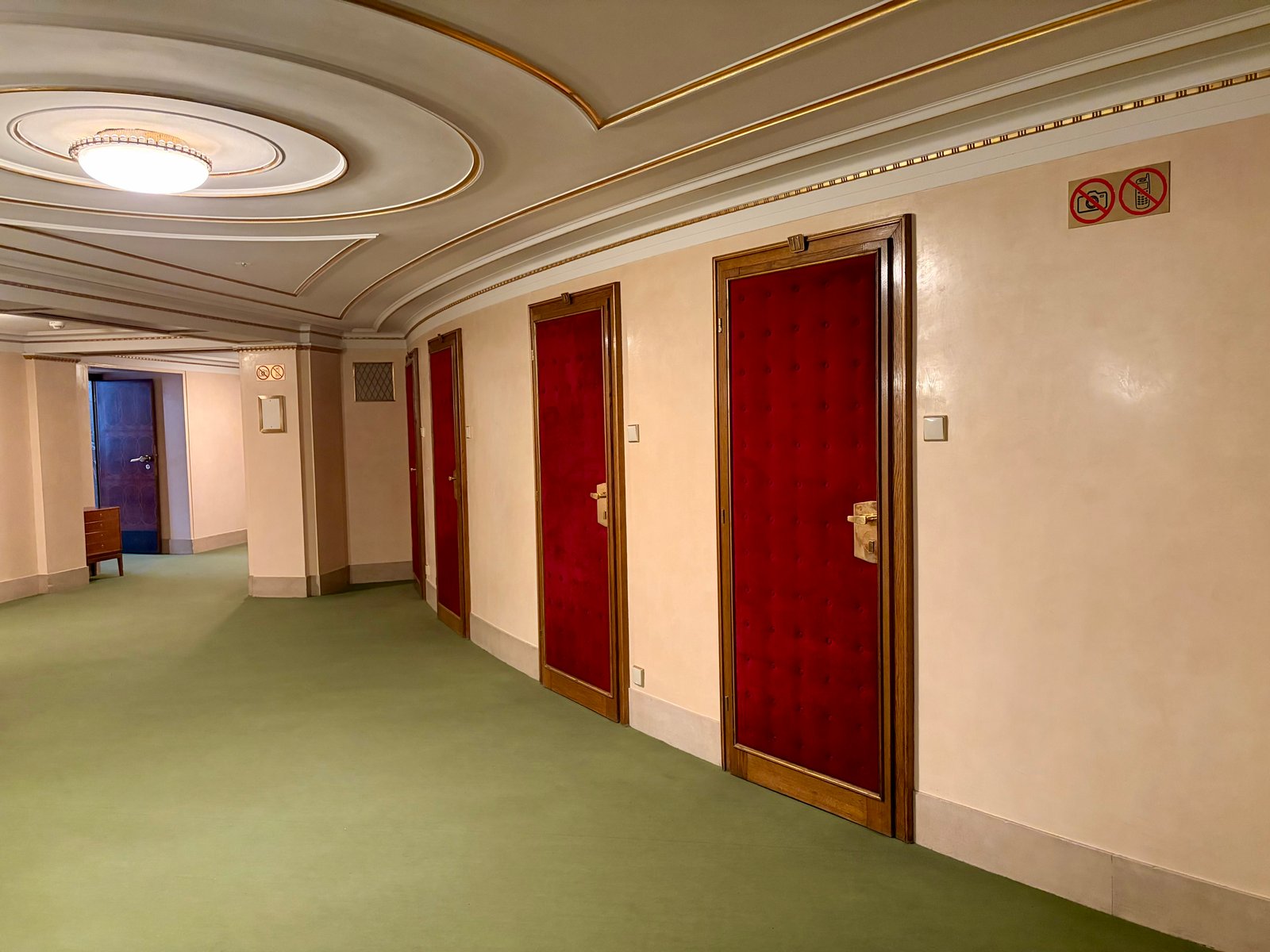
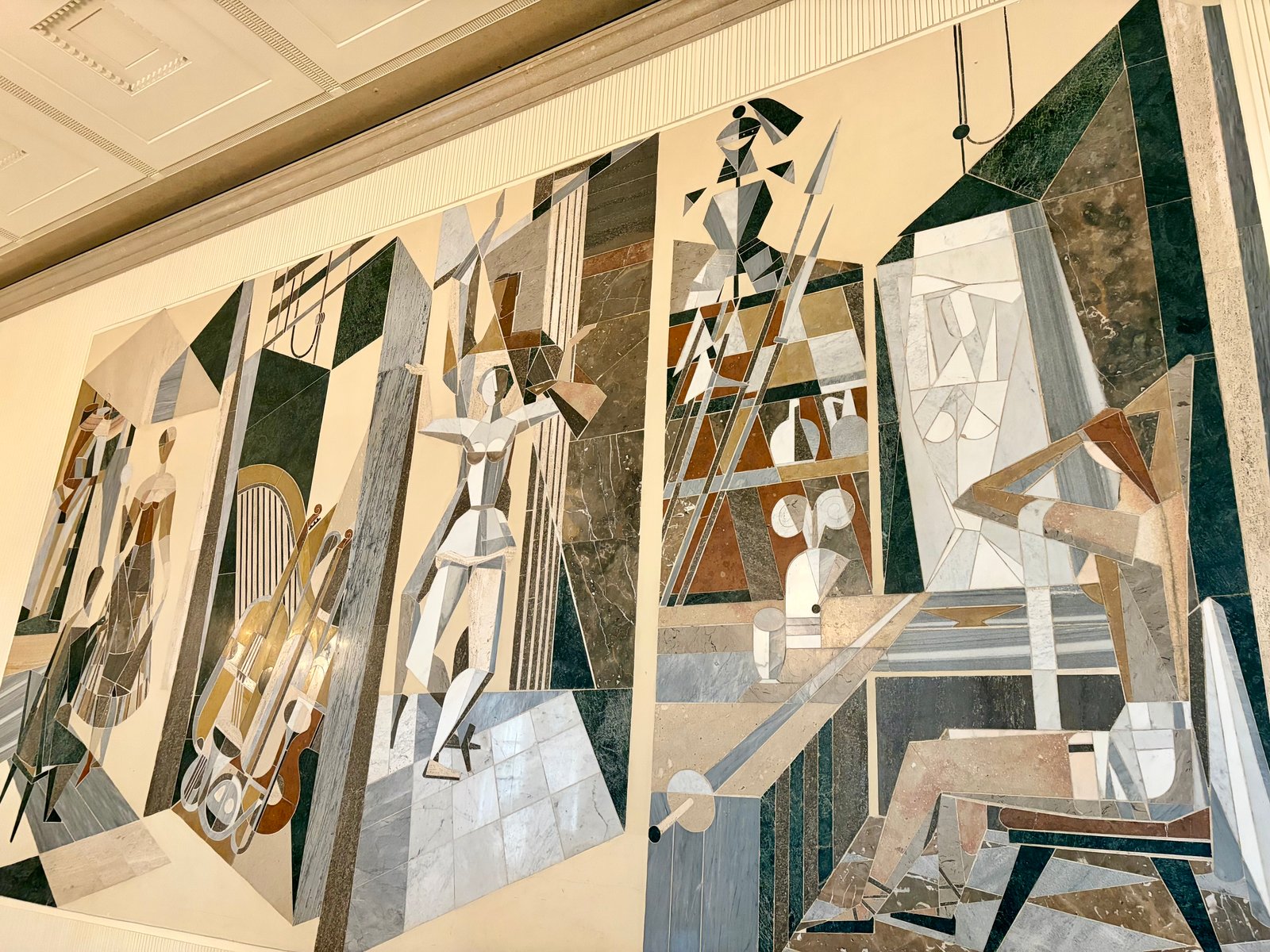
Following our view from the central box, we were walked through rooms that the opera house calls ‘intermission rooms’ – The Gustav Mahler Hall, the Marble Hall and the Schwindfoyer.
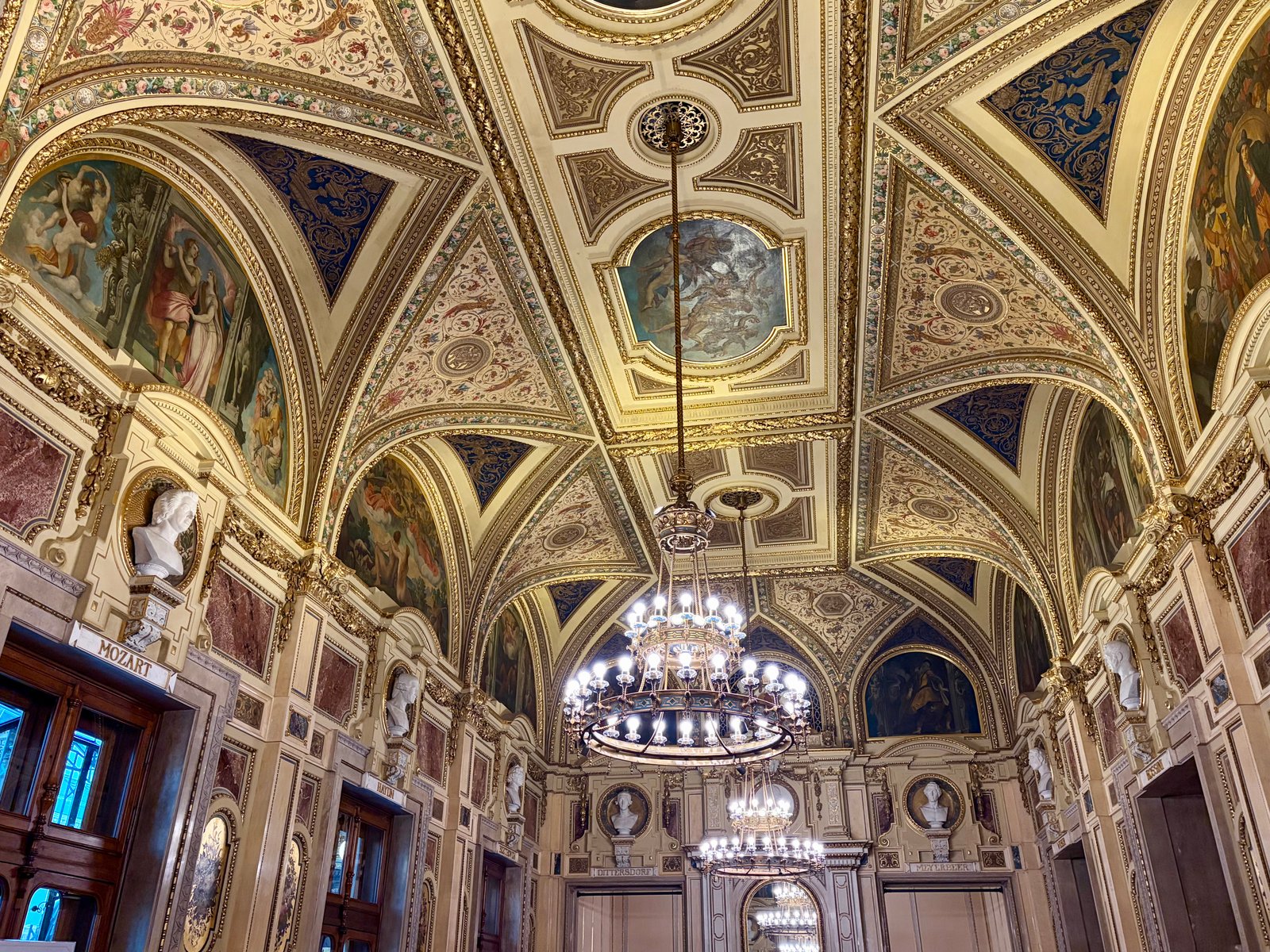
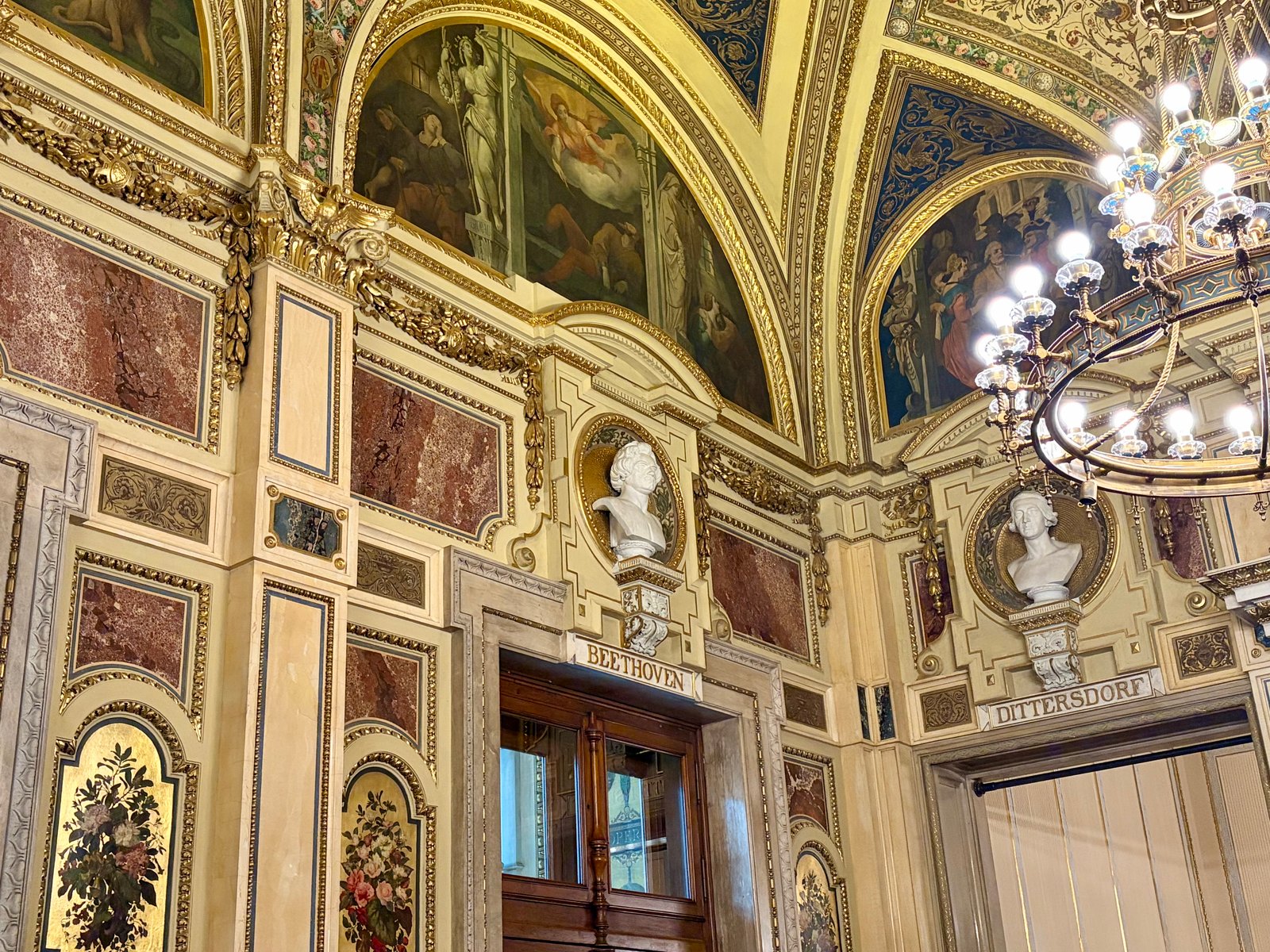
My favorite of the halls was the Schwindfoyer, named after the painter Moritz von Schwind (1804–1871). The room is one of the surviving original parts of the Vienna State Opera. It is adorned with 22-karat gold leaf and displays busts of composers high on the walls, along with scenes from famous works that von Schwind painted around the room.
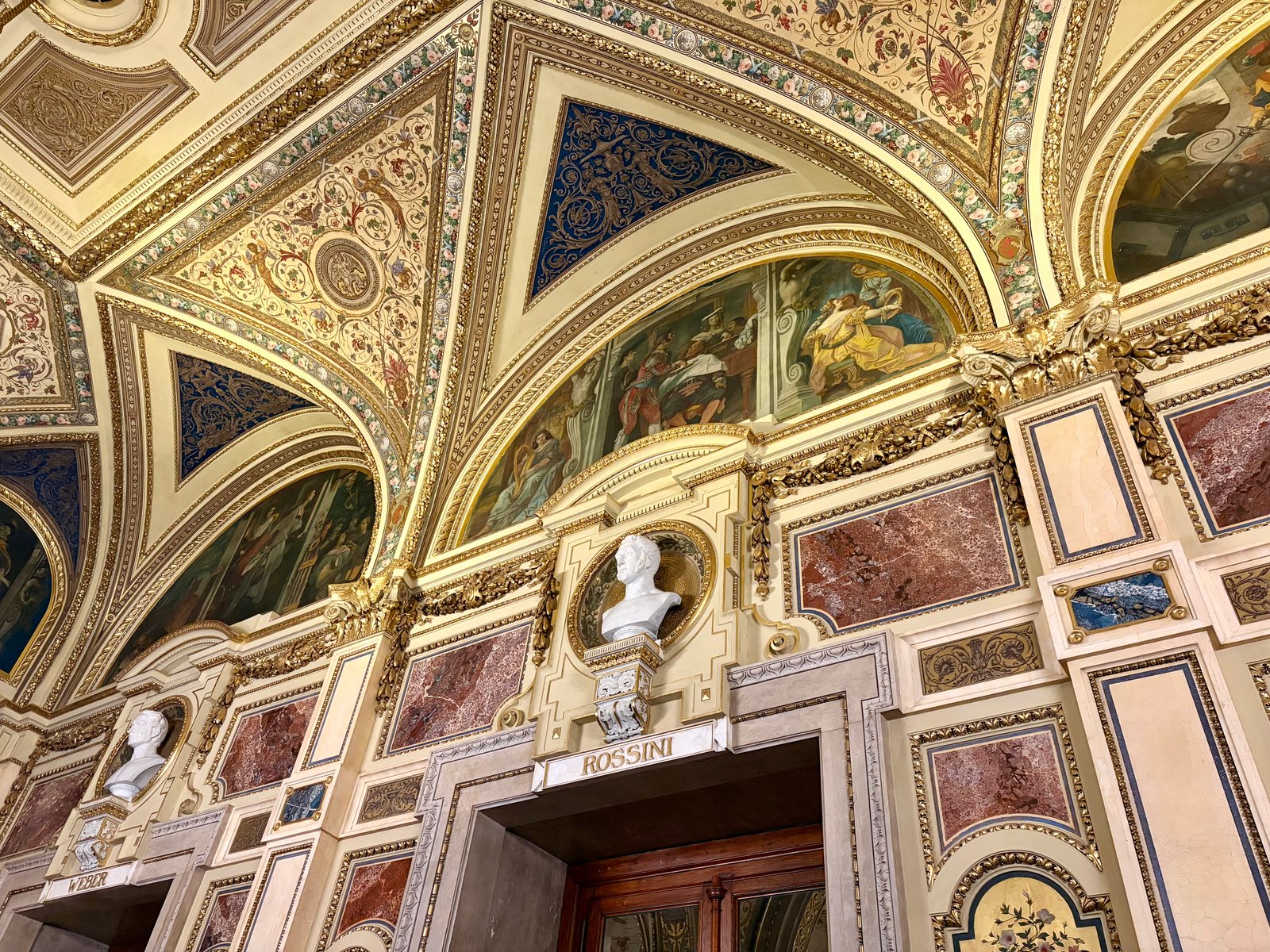
So many of the busts feature recognizable names—Mozart, Beethoven, and a few I now recognize thanks to street names near our apartment in Nice, including composer Gioachino Rossini. Rossini is best known for The Barber of Seville, which von Schwind painted above his bust.
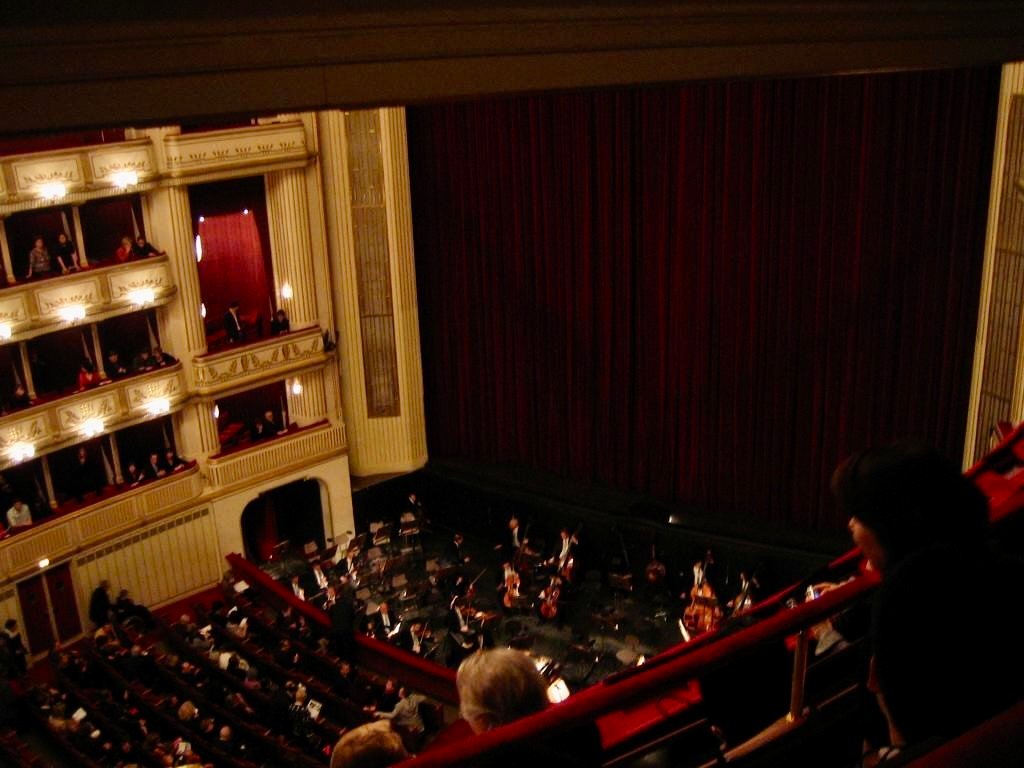
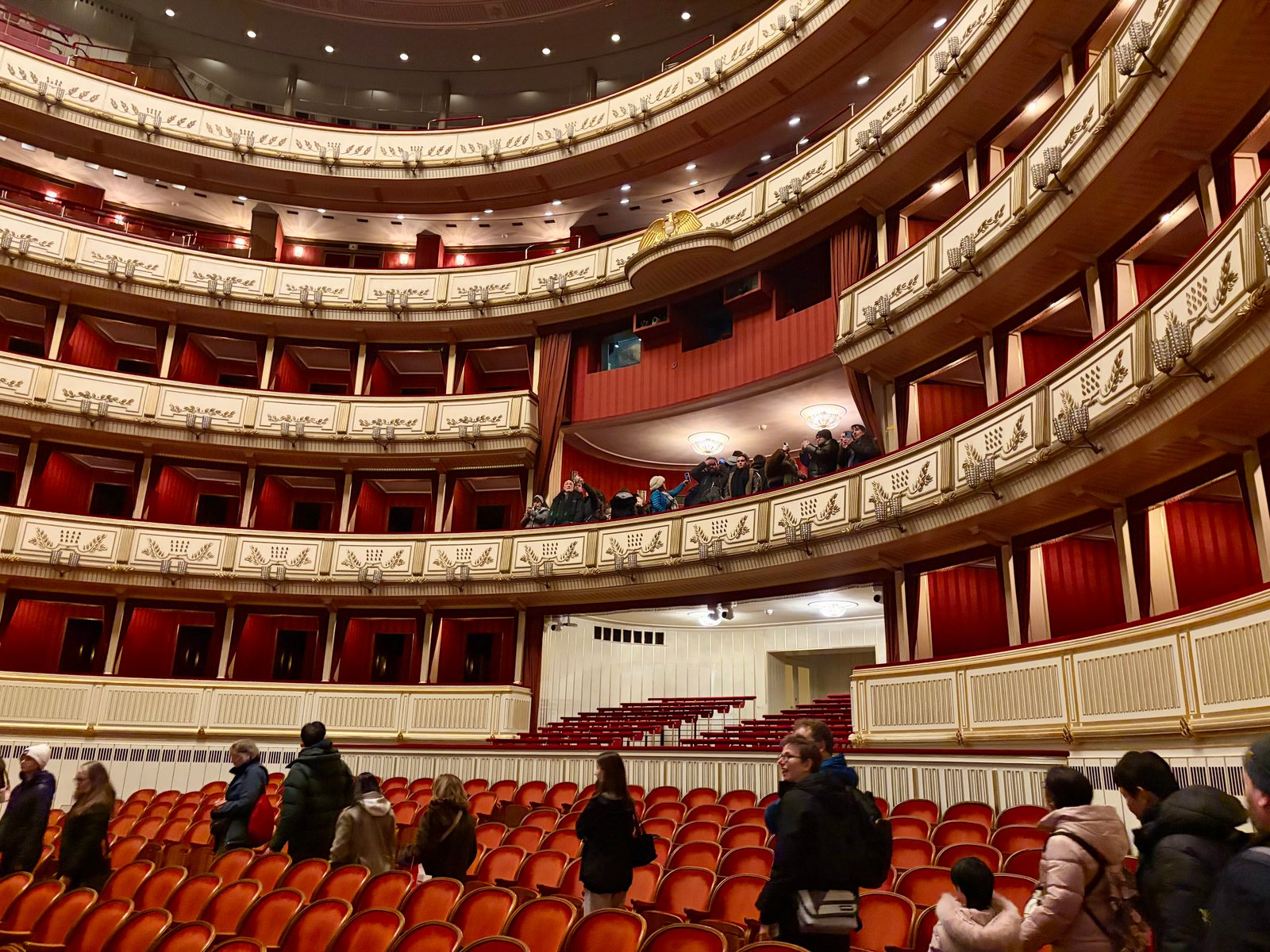
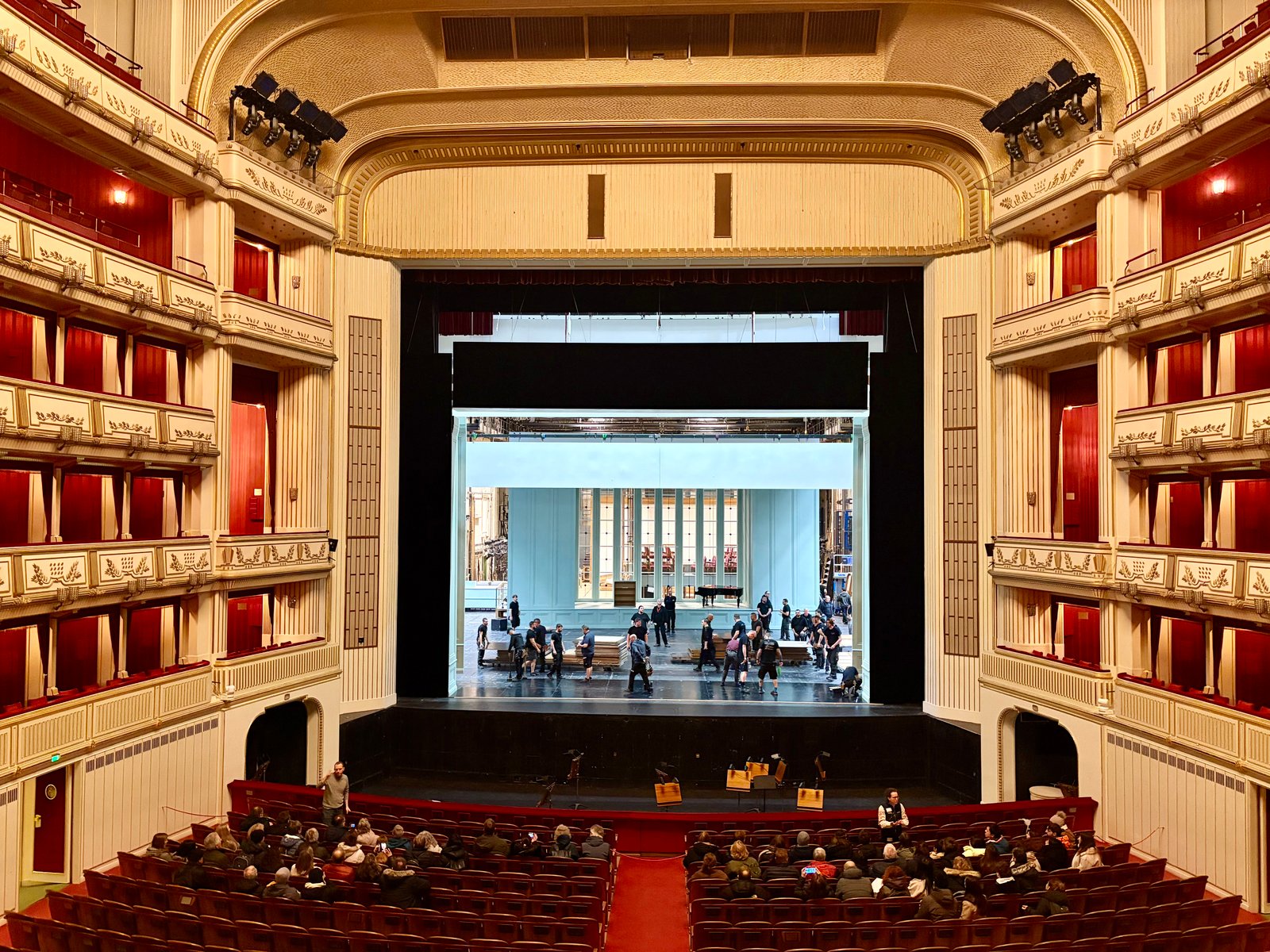
Our last stop on the tour was the auditorium. We entered on one side and walked through to the other side and sat for a few minutes to take it all in.
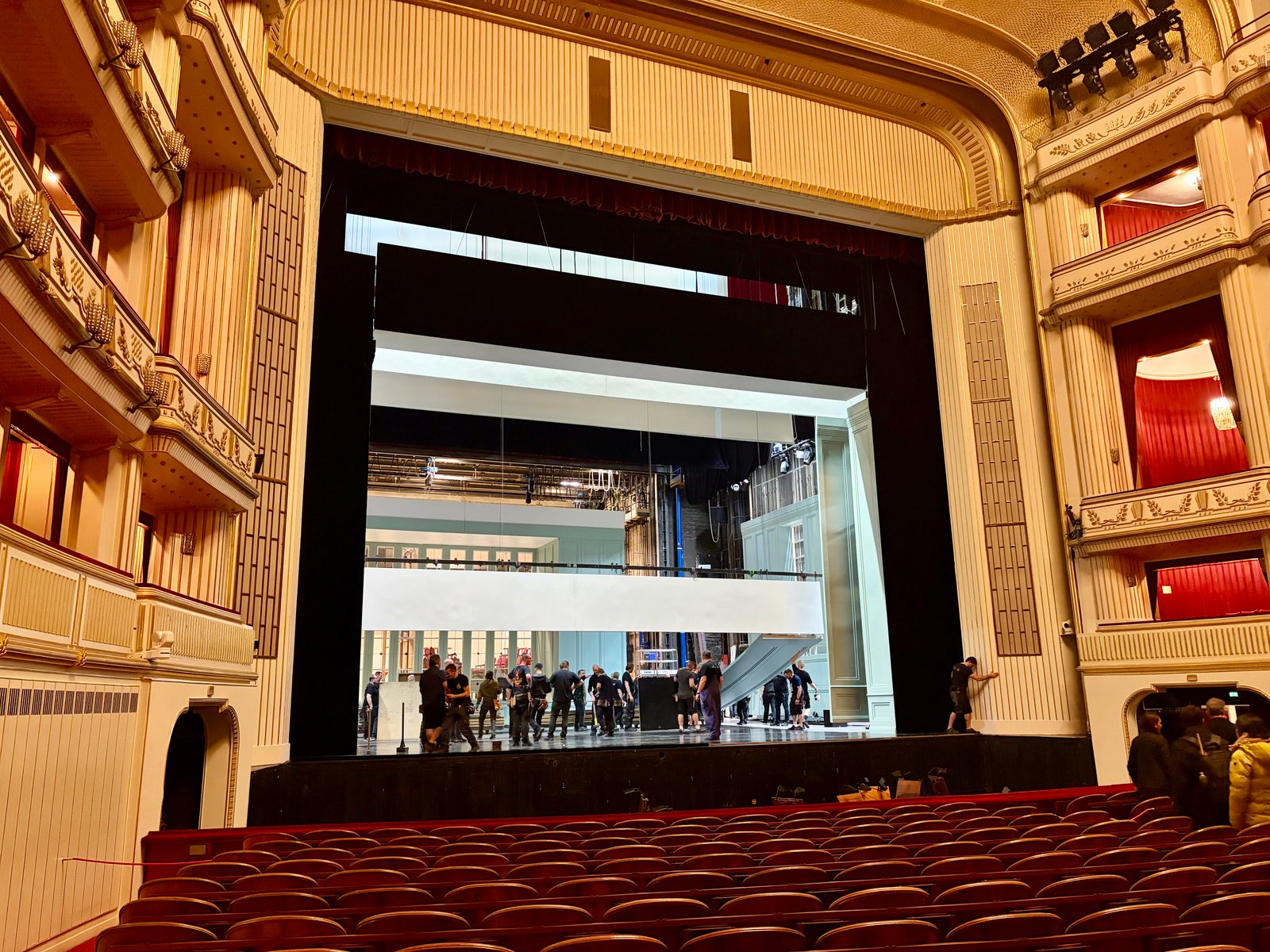
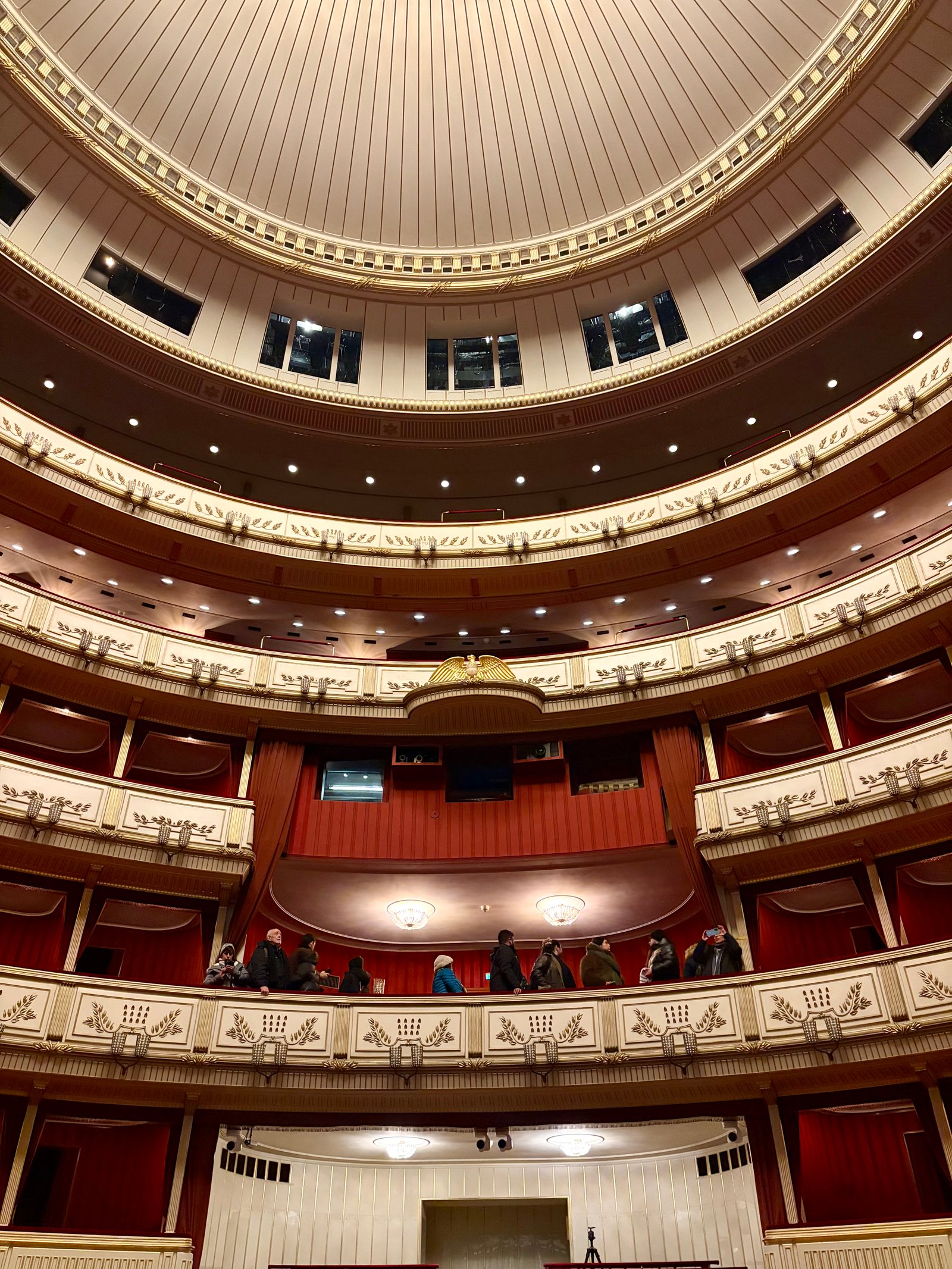
Crews were hard at work moving set pieces around on the stage, so ending the tour in the auditorium felt just right. This tour was such a great way to see the Vienna State Opera, and Nik and I really enjoyed learning more about the history of the building.
The Albertina Museum
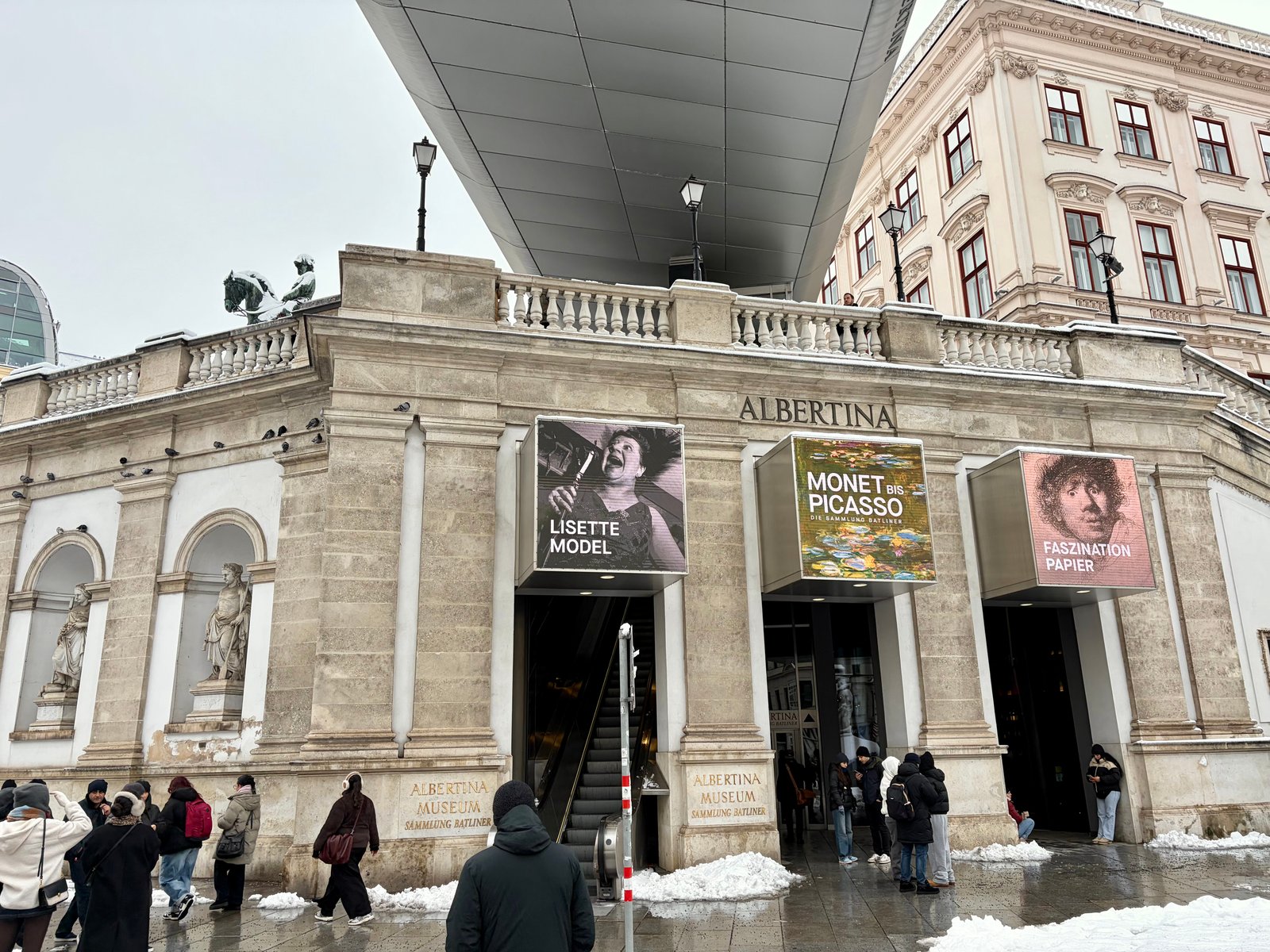
Over the course of our numerous visits to Vienna, Nik and I have passed the Albertina Museum, one of the city’s many art museums, numerous times but had never gone inside.
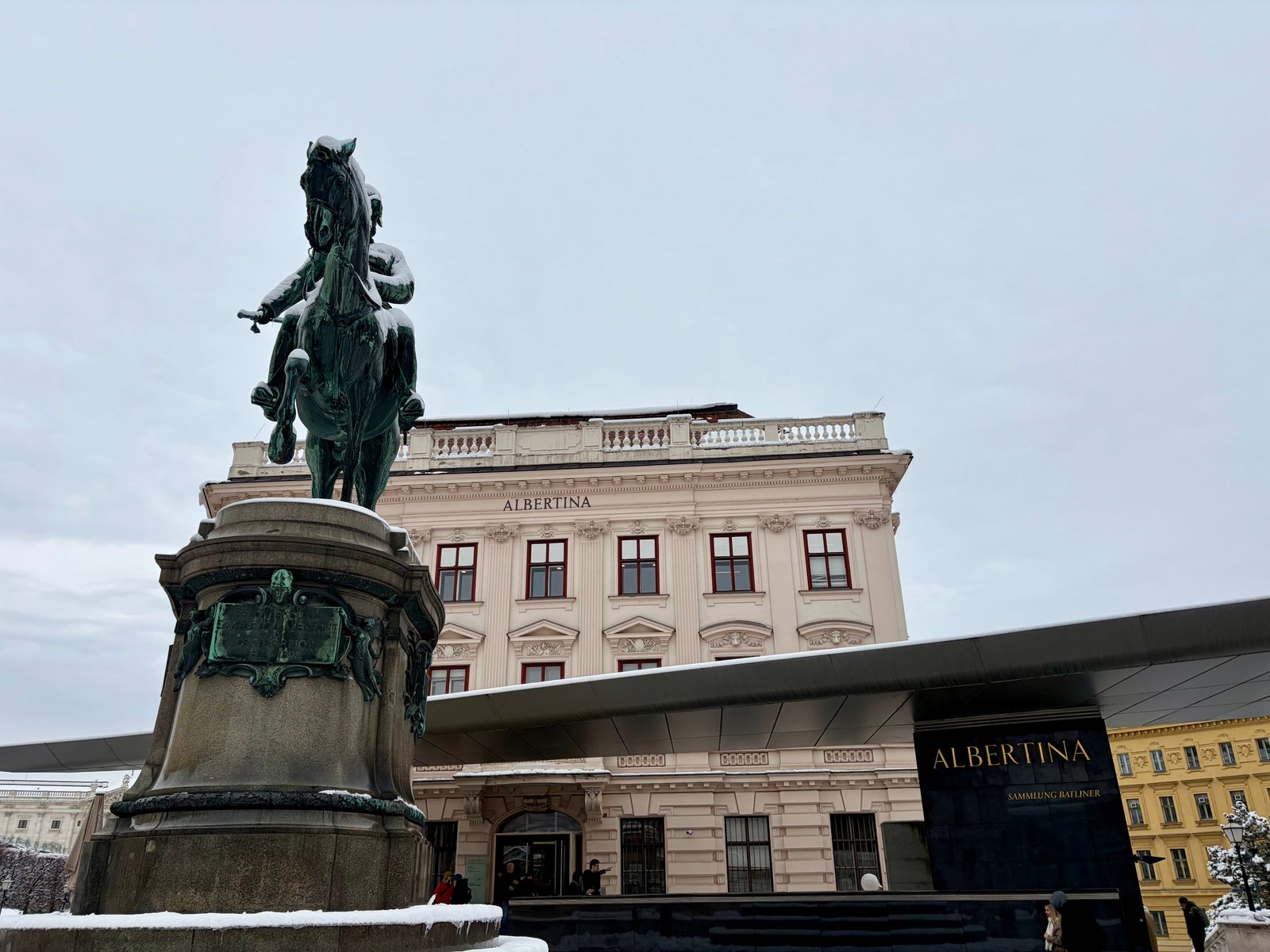
Our favorite sausage stand sits right there at street level and the upper terrace offers great views around the city.
On this trip, we finally decided to go inside after reading about it in one of the weekly Vienna Briefing newsletters written by Liam Hoare. He highlighted a special exhibit featuring Austrian-born American photographer Lisette Model, born Elise Amelie Felicie Stern.
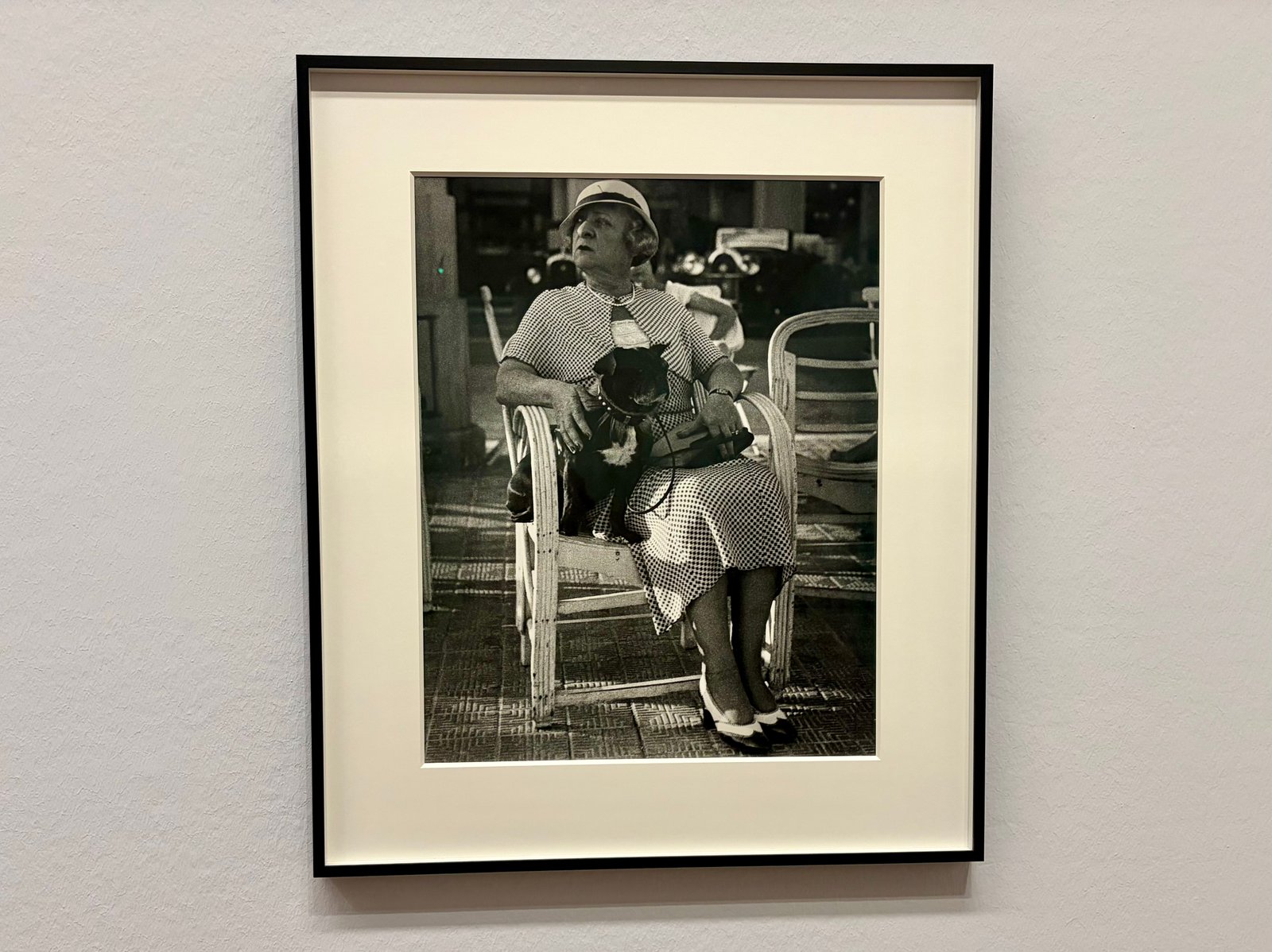
Model originally pursued music but after moving to France in 1926, leaving Vienna for fear of anti-semitism, she gave music up and turned to photography. One series of photographs is of portraits of wealthy idlers on Nice’s Promenade des Anglais in July 1934.
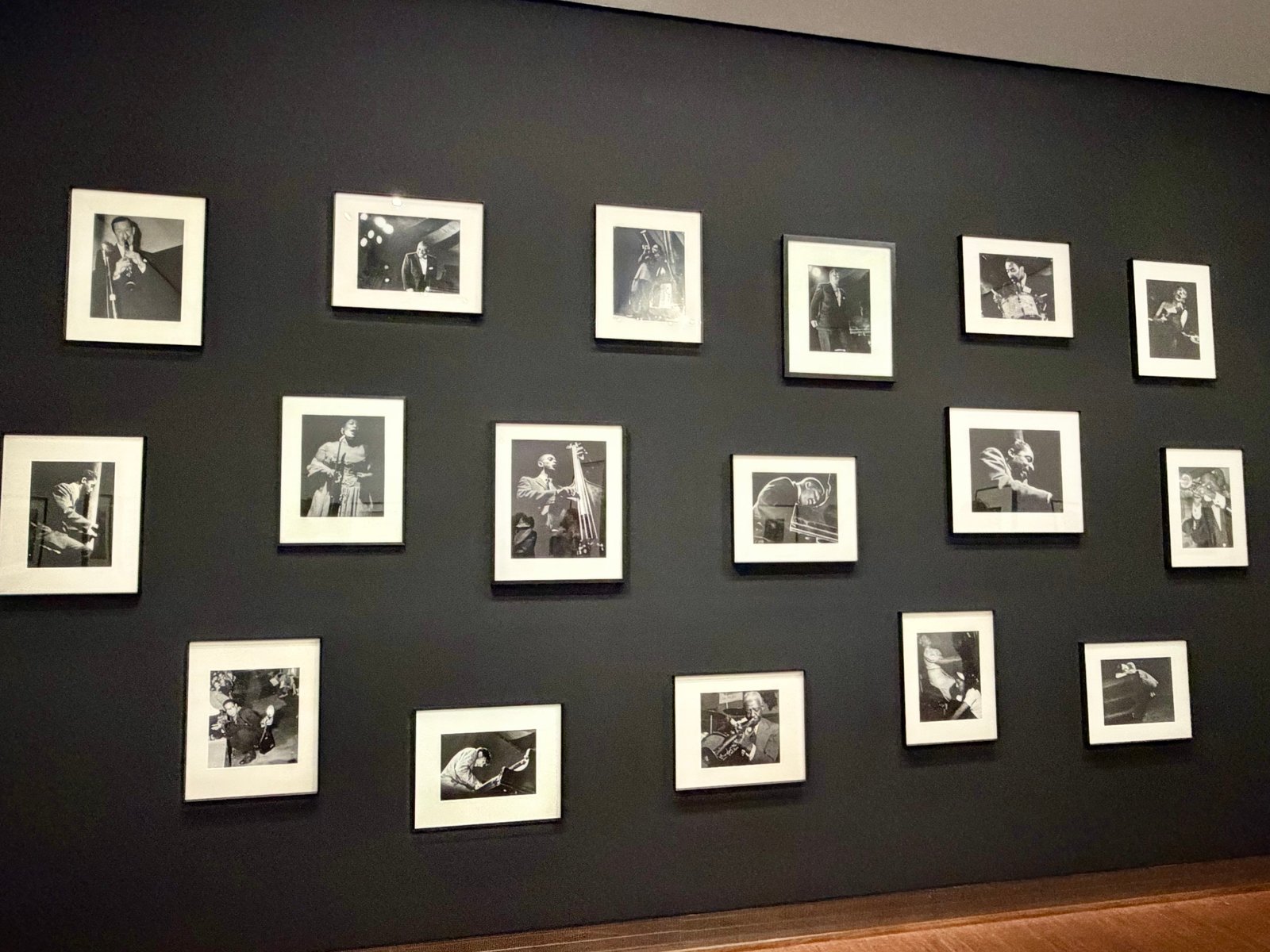
Along the way, Model married Russian-born Jewish painter Evsa Model, and the couple moved to New York in 1938. In addition to teaching photography, Model became a fixture of New York’s jazz scene and photographed musicians including Louis Armstrong and Ella Fitzgerald.
So many aspects of her life and career really resonated with me as I read Liam’s review and I am so glad the exhibit was still taking place during our visit to Vienna.
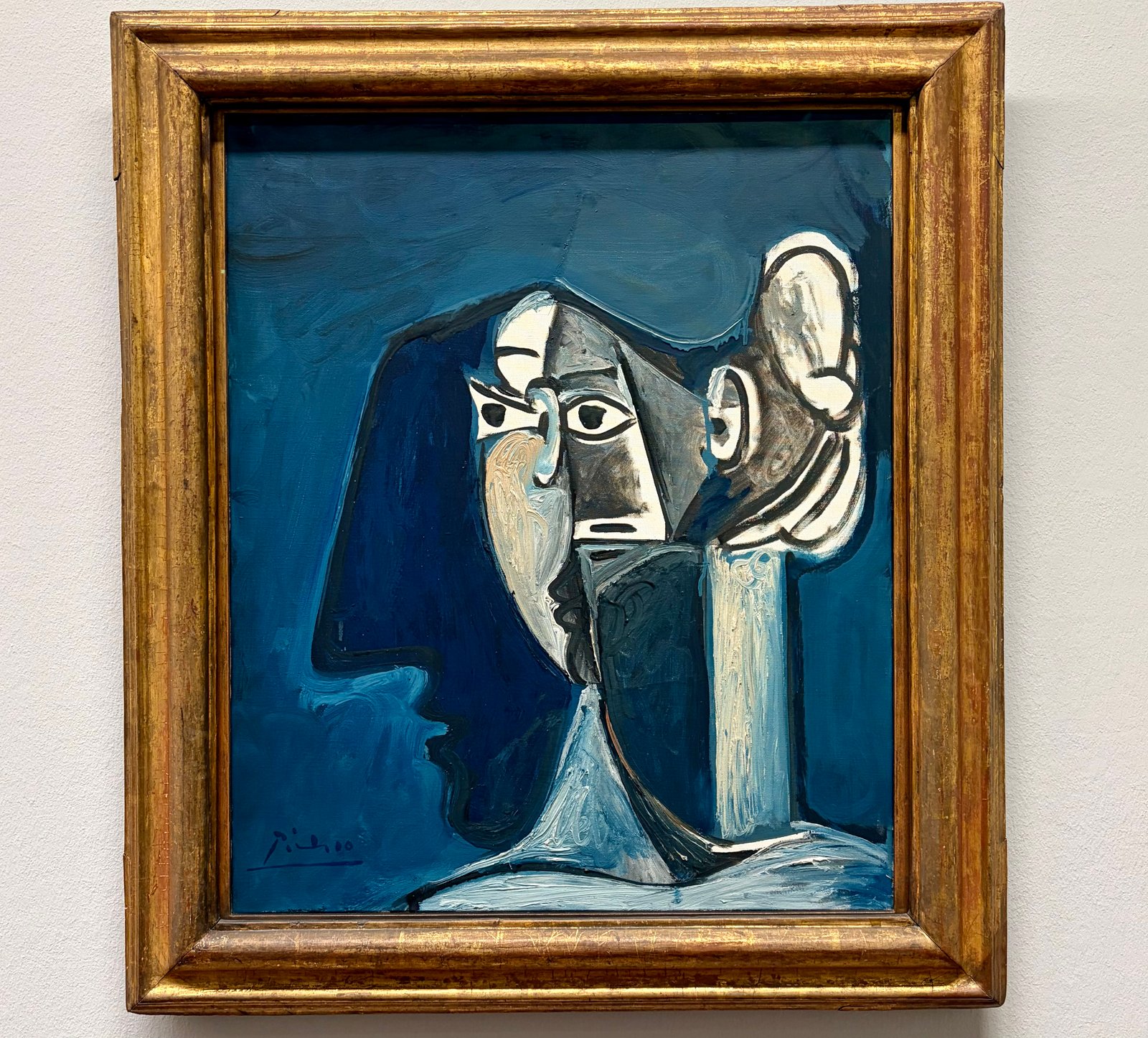
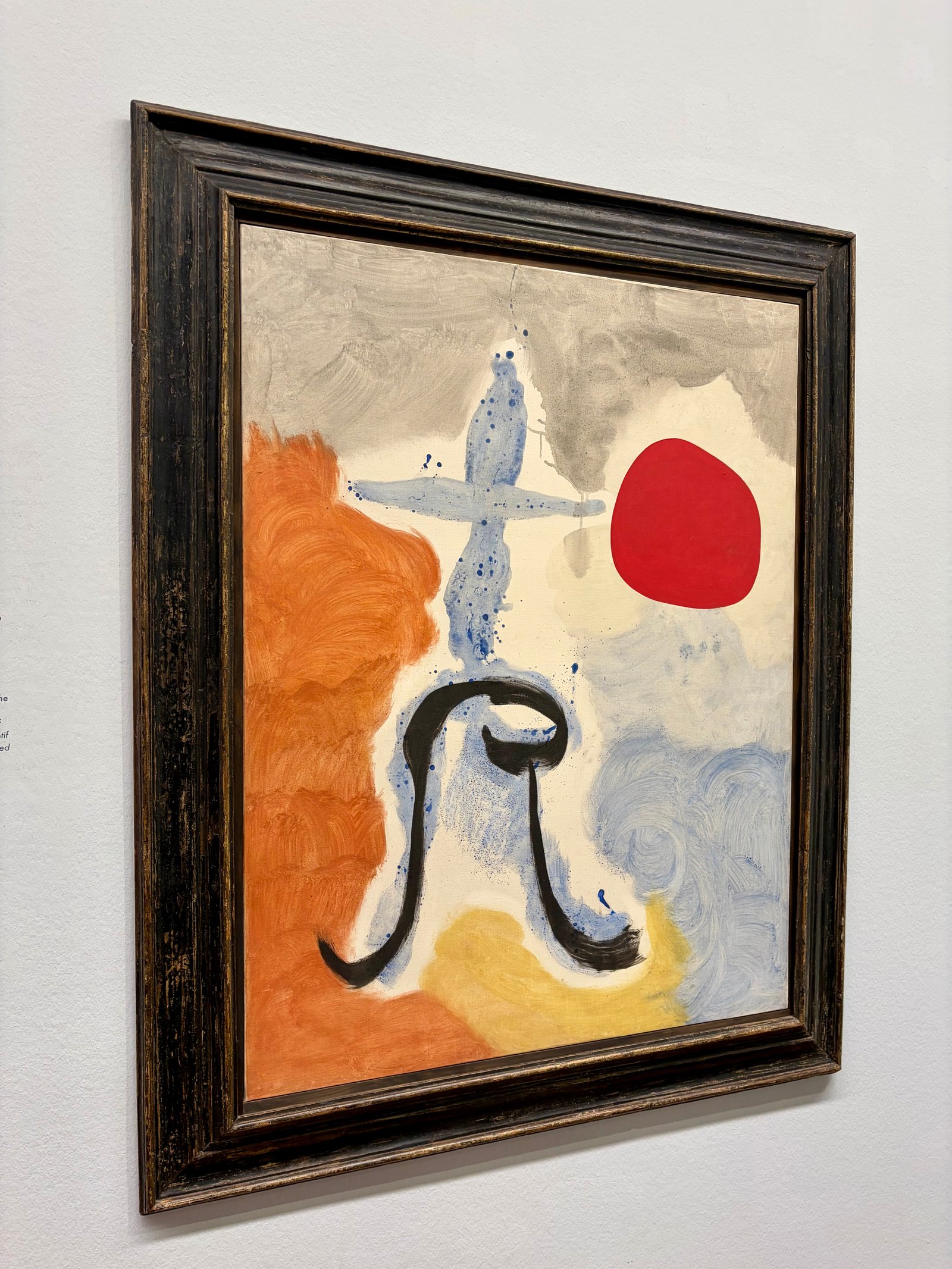
While at the Albertina, we also saw a few other classic works of art by Monet, Picasso and Catalan artist Joan Miró. Here are just a few that caught my eye:
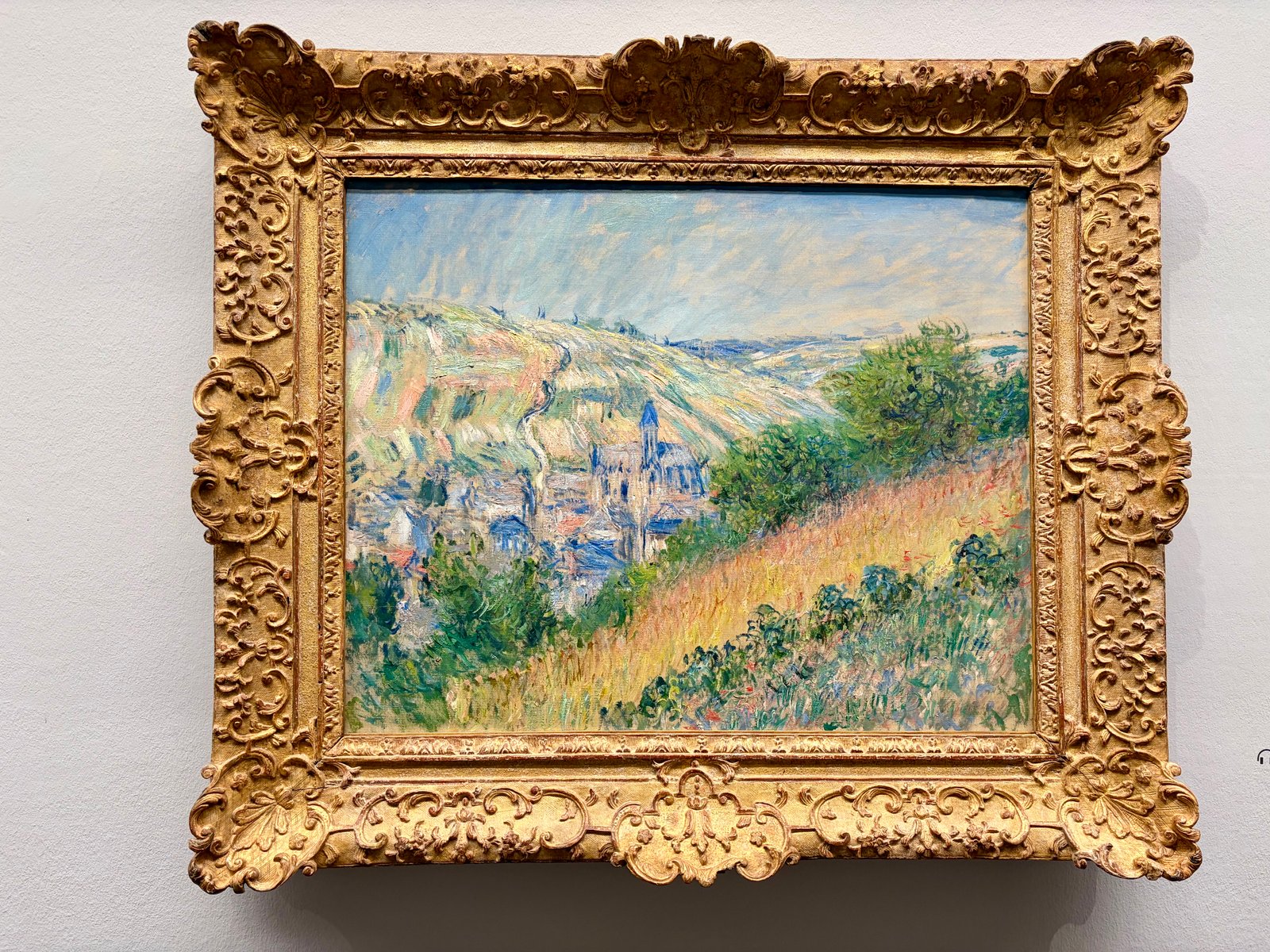
Joan Miró is really quite recognizable all around Barcelona, with statues, museums and so on. When I saw the picture below, I knew right away it was one of his works.
Other Notes from the Trip
Since I covered our amazing hotel stay in its own post, the extremely informative private walking tour we took and this post is mostly dedicated to visiting the Vienna State Opera and Albertina Museum, I wanted to add a bit more from our trip that deserved some highlighting.
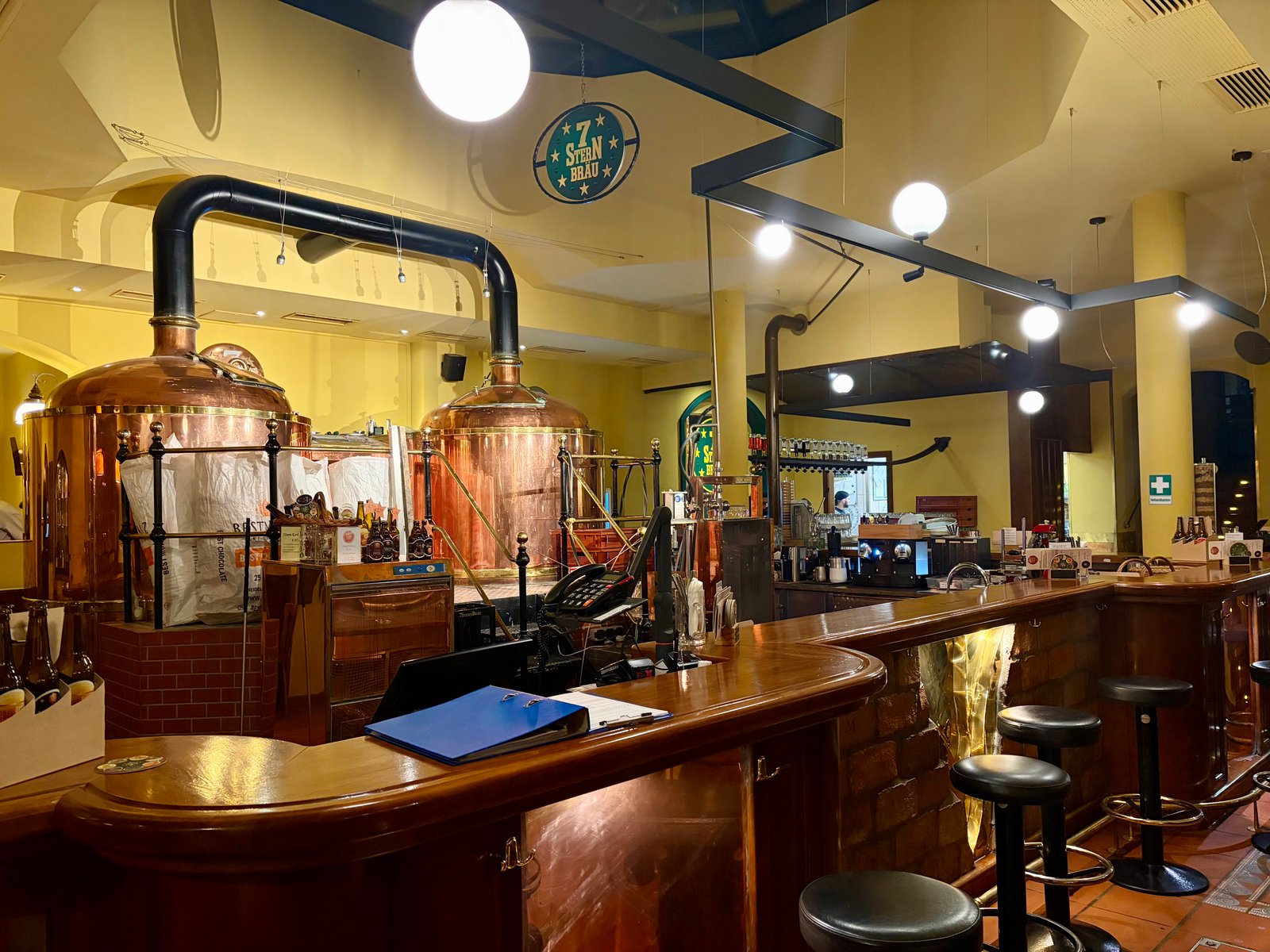
7 Stern Bräu
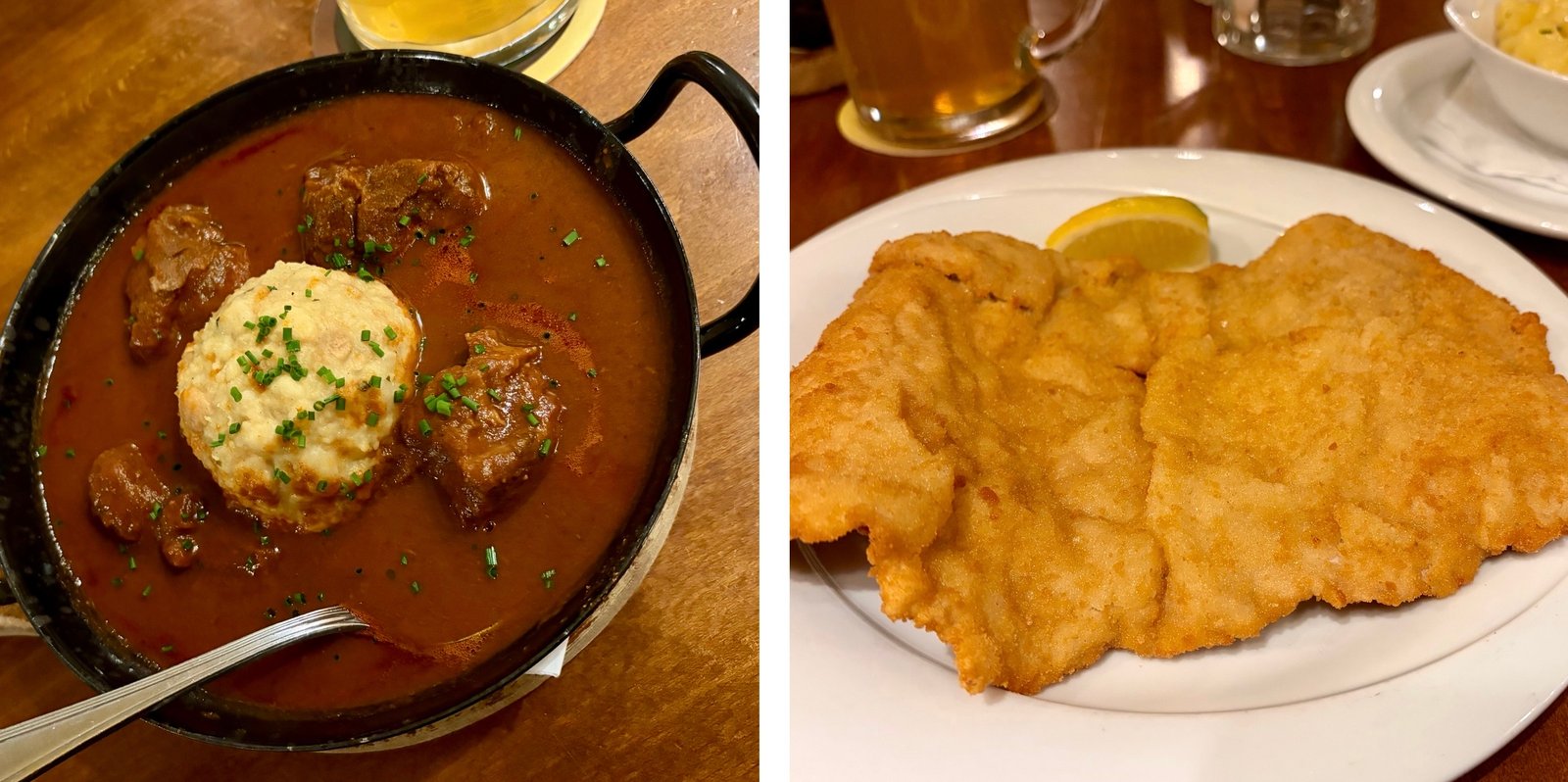
Nik and I got our local food and beer fix at 7 Stern Bräu, a new-to-us spot and one of only a few true breweries in Vienna.
Soulmate Cocktail Bar
Nearby was Soulmate, a cocktail bar I had learned about some time ago, and it was perfectly located for post-dinner drinks!
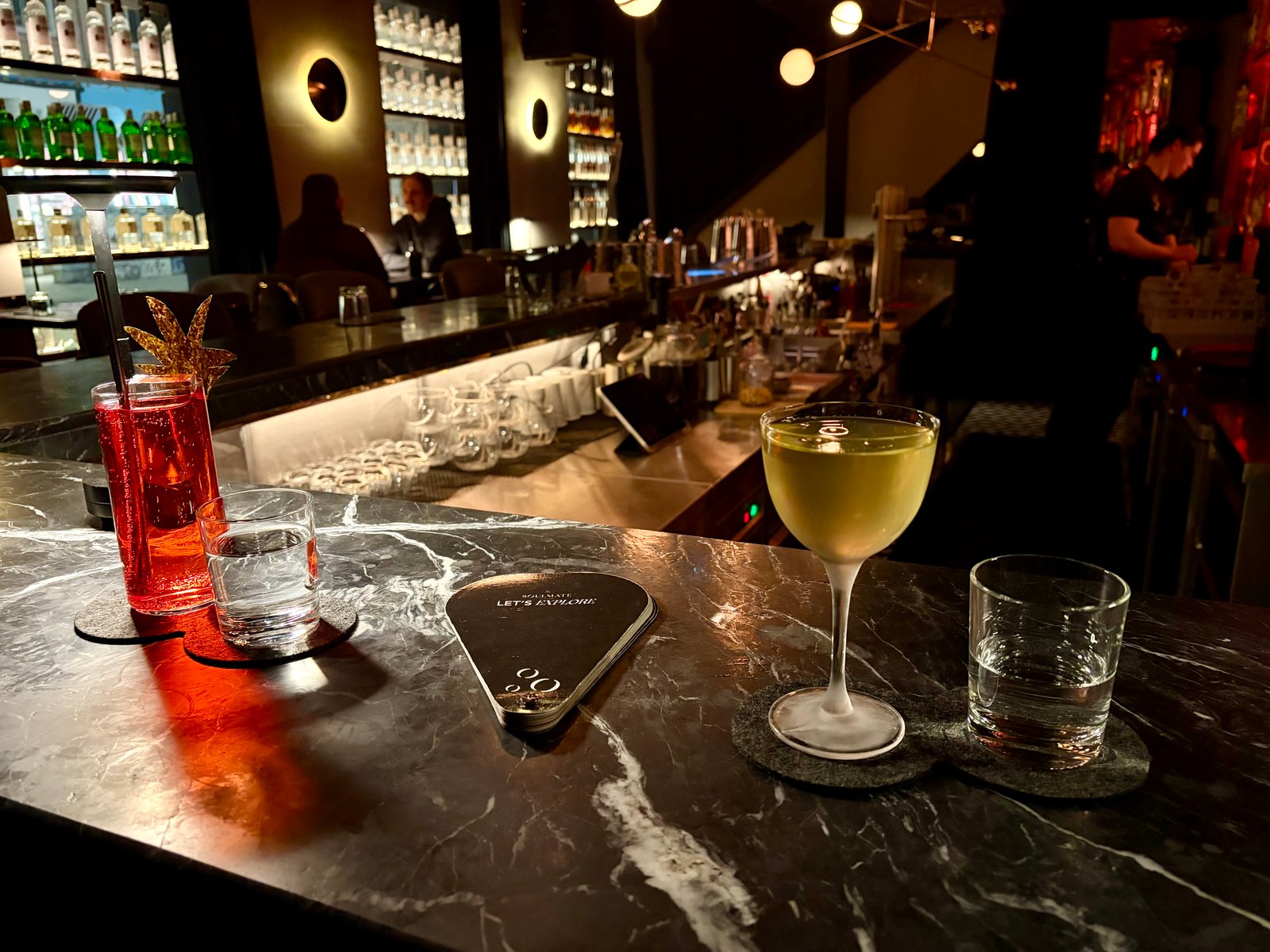
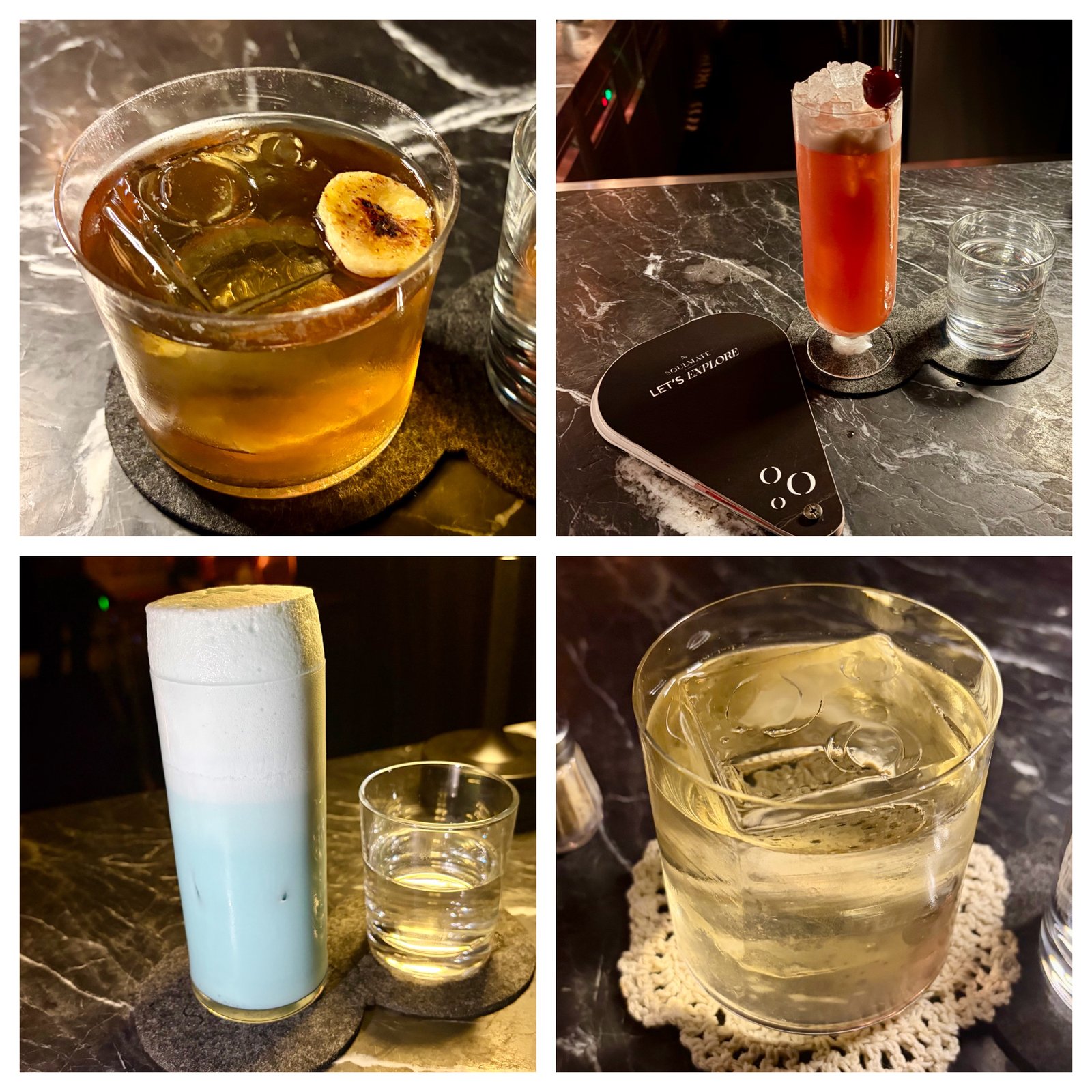
The bar was pretty empty the night we were there, but that worked in our favor because we could taste a wide variety of drinks from the menu without much of a wait. The menu was very diverse, with sweet or more tart drinks, foams and other creative presentations. Nik and I really enjoyed every drink we tried.
Fenster Café
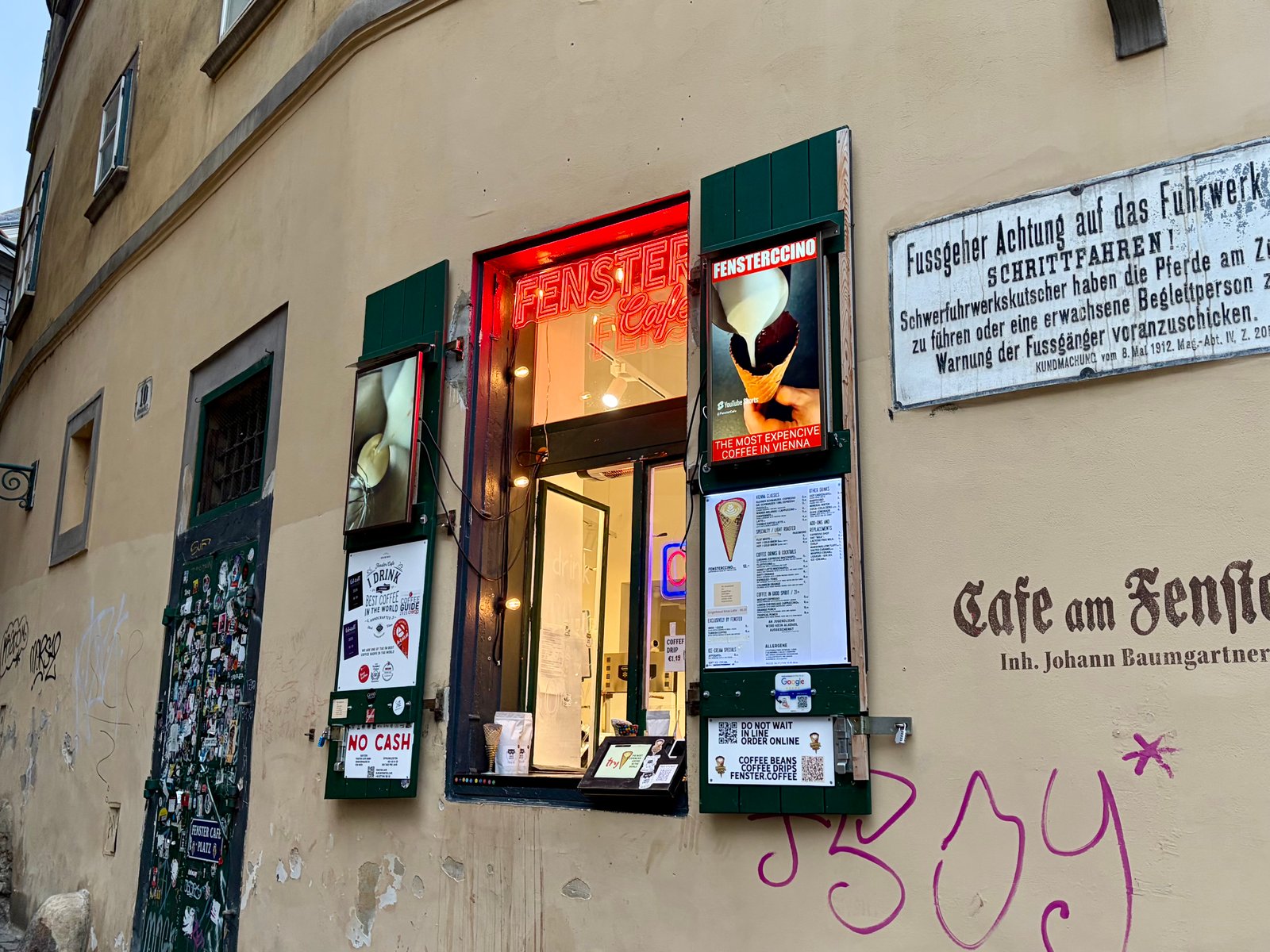
We did make one super-touristy stop at Fenster Café, home of the famous Fensterccino, a small latte served in a waffle cone coated with chocolate. You can also get it with hot chocolate, as Nik did. The joke is that it’s Vienna most expensive latte at 12€.
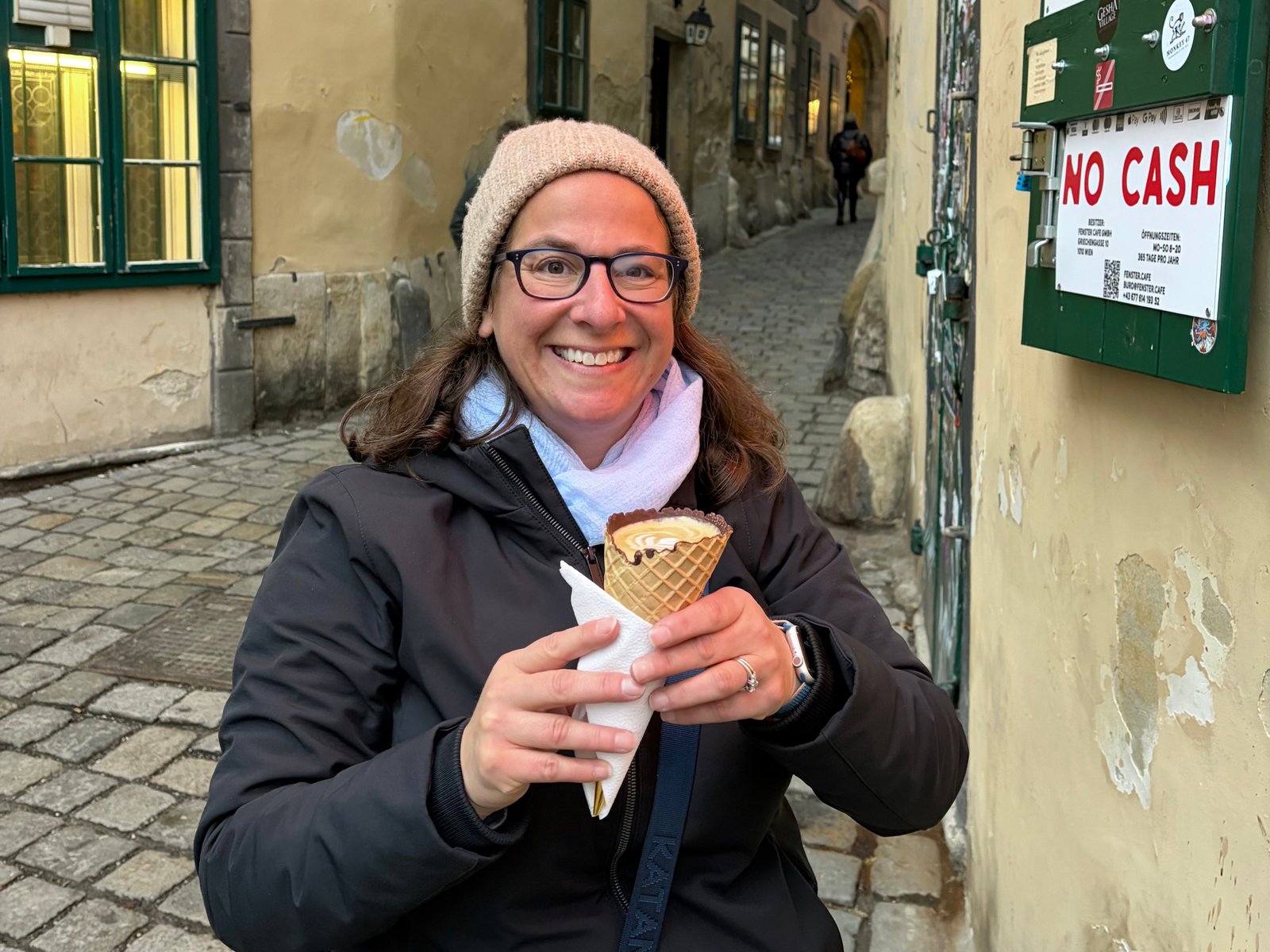
The café is tiny, with no tables or seats, so you order and get your drink through a small window. It’s tucked away in a random side alleyway with a bit of graffiti, making you wonder how you even found the place.
Stumble Stones
A friend of ours recently had Stumble Stones, or Stolpersteine, installed in honor of several family members. I asked my friend for the address, and it ended up being very close to our hotel, so Nik and I walked over to pay a visit and reflect on the horrors of World War II and those who fled or survived the Nazis or were murdered by them.
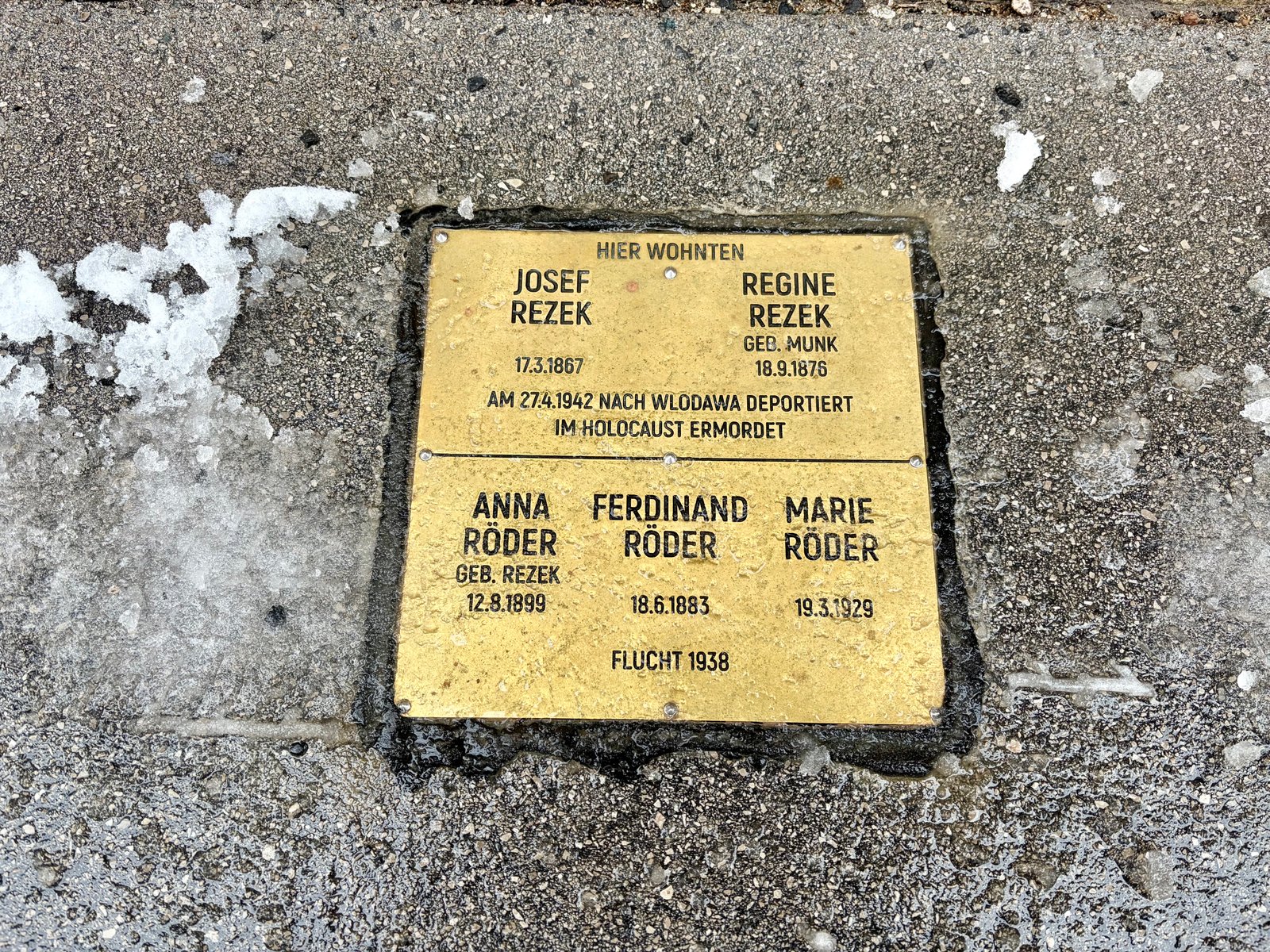
Josef and Regine were my friend’s great-grandparents, Anna and Ferdinand were her grandparents, and Maria was her mother.
I highlight Stumble Stones on here a lot, have you ever come across any?
And on that note, we’ll wrap up our trip to Vienna, with touring the Vienna State Opera and visiting the Albertina Museum among the highlights.